

No products in the cart.
Why the Dinner “Deal” Works Better Than Pressure

M.J. Mercury
April 15, 2026
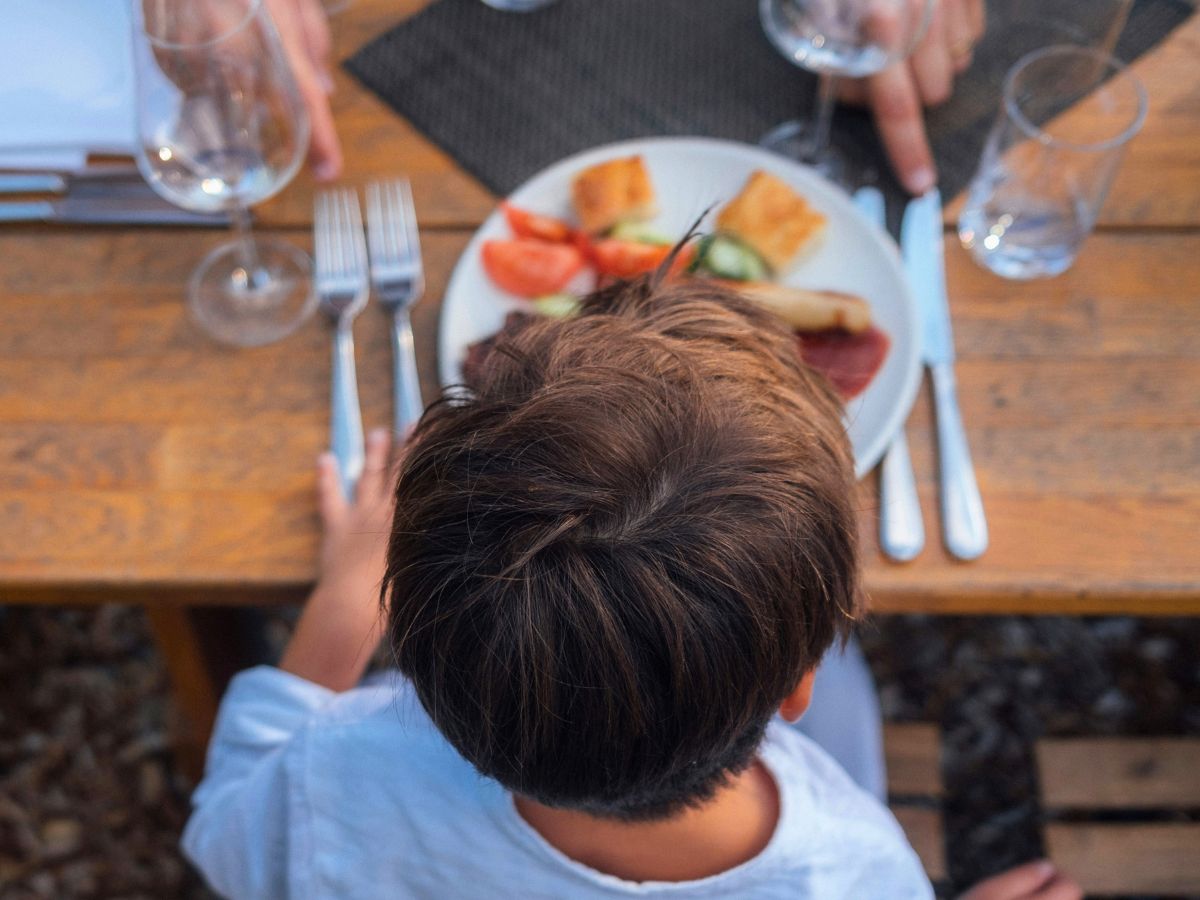
When dinner becomes a battle, changing the dynamic matters more than the food
The idea is simple make a deal with your child before the grocery list is even written. Claiming this idea as my own would be, to say the least, misleading. It actually came from a family therapy session — straight from the licensed social worker my son and I see once a week.
Our goals include helping him become more flexible in his thinking and helping me better understand both his neurodivergent brain and his “tween” brain. Many of these goals are structured around food. And that’s where this idea starts to play out — right at the kitchen table.
Forget the ultimatums. Avoid the tantrums — the stomping feet, the yelling, the protests over eating anything until they get what they want — all by making a simple deal ahead of time.
Find out what food your child wants more than anything — for mine, it’s always pizza — and then remind them of something they used to eat but won’t anymore, ideally something with a bit more nutritional value, like peanut butter. Then make them a deal.
You get to have three pizzas this week if you eat peanut butter three times.
How to win an argument at the dinner table
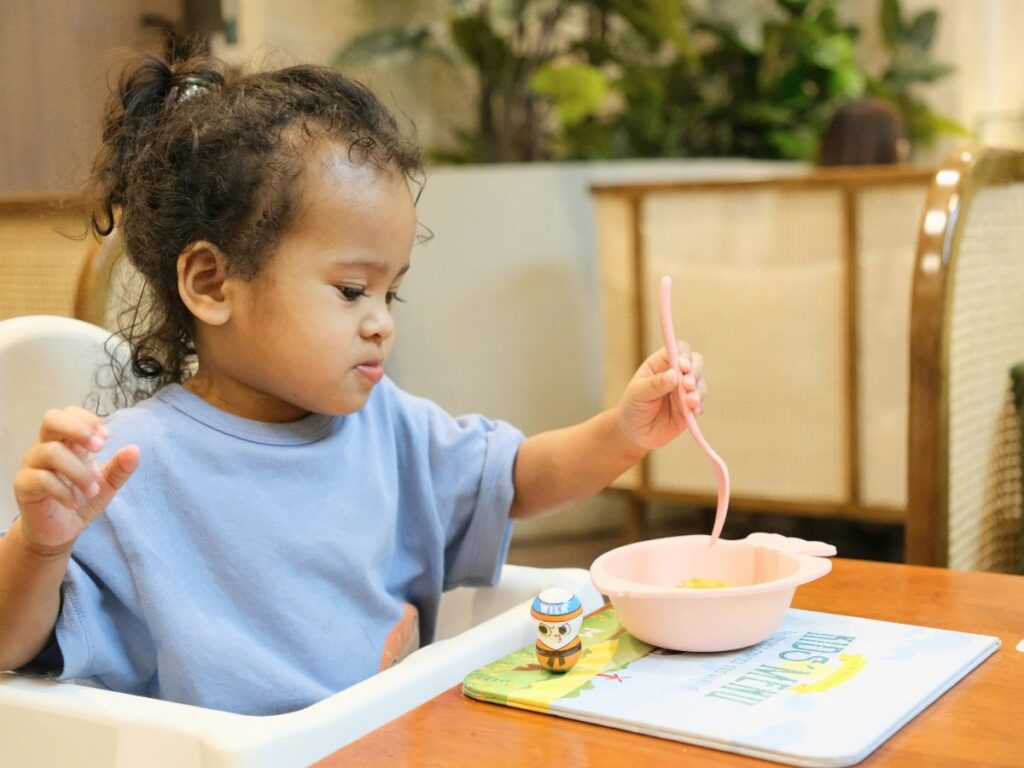
On the surface, this deal sounds like a simple trade. In practice, it changes the timing of the conflict.
Instead of negotiating at the table — when everyone is tired and patience is thin — the expectation is set ahead of time. The decision has already been made, and the child has already agreed to it.
That alone removes a significant amount of pressure.
What follows isn’t perfect compliance. Children still push back. They delay, negotiate, and test the boundaries of the deal. My son actually wanted me to buy him a book titled “How to Win an Argument” that he spotted on a shelf at Barnes & Noble so he could be better prepared to argue with me. These kids are ready to plead their cases.
But the interaction is different when a deal is in place instead of an argument. The focus shifts from refusing the food to figuring out how — and when — to meet the agreement.
Because it’s no longer being forced in the moment. It’s something that was already decided — partly by them. A bite happens here, a small portion there, not in the middle of a standoff, but as part of something they agreed to. It’s a very different experience than an argument at the dinner table.
Over time, those small bites add up.
Foods that had disappeared from a child’s diet begin to reappear — not as demands, but as part of a structure the child understands. The outcome isn’t immediate change, but a gradual shift — and that’s often what makes the difference.
In that sense, the deal isn’t really about pizza or peanut butter. It’s more about learning that everyone’s voice matters at the kitchen table — and that not every meal has to turn into an argument.

If this kind of storytelling resonates with you, you can find more of my essays, commentary, and observations on Substack at M.J. Mercury Writes Stories.
(Visited 39 times, 1 visits today)
Leave a Reply