No products in the cart.
As the American Dream Fades, Life Returns to the Kitchen

M.J. Mercury
April 27, 2026
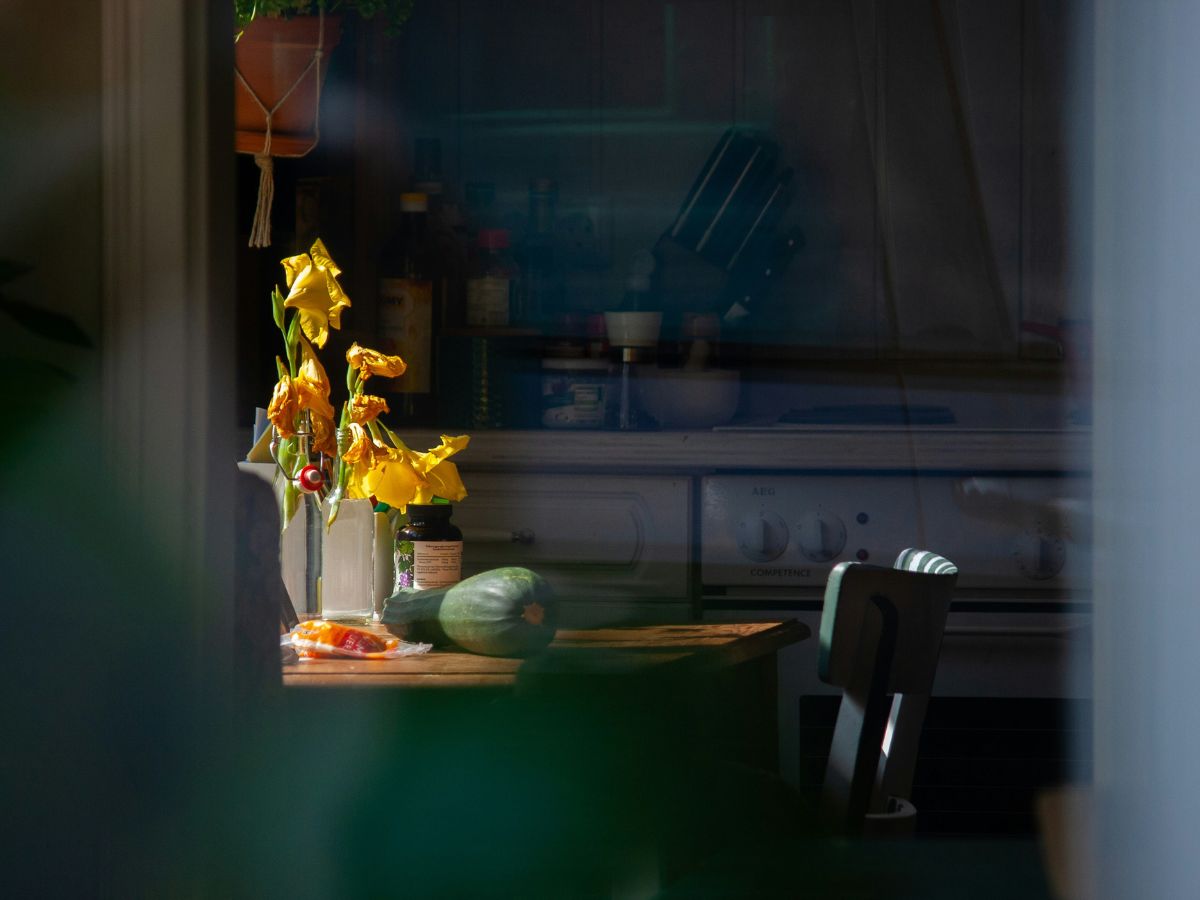
Rising costs, shrinking portions and shifting values are bringing the American kitchen back to life
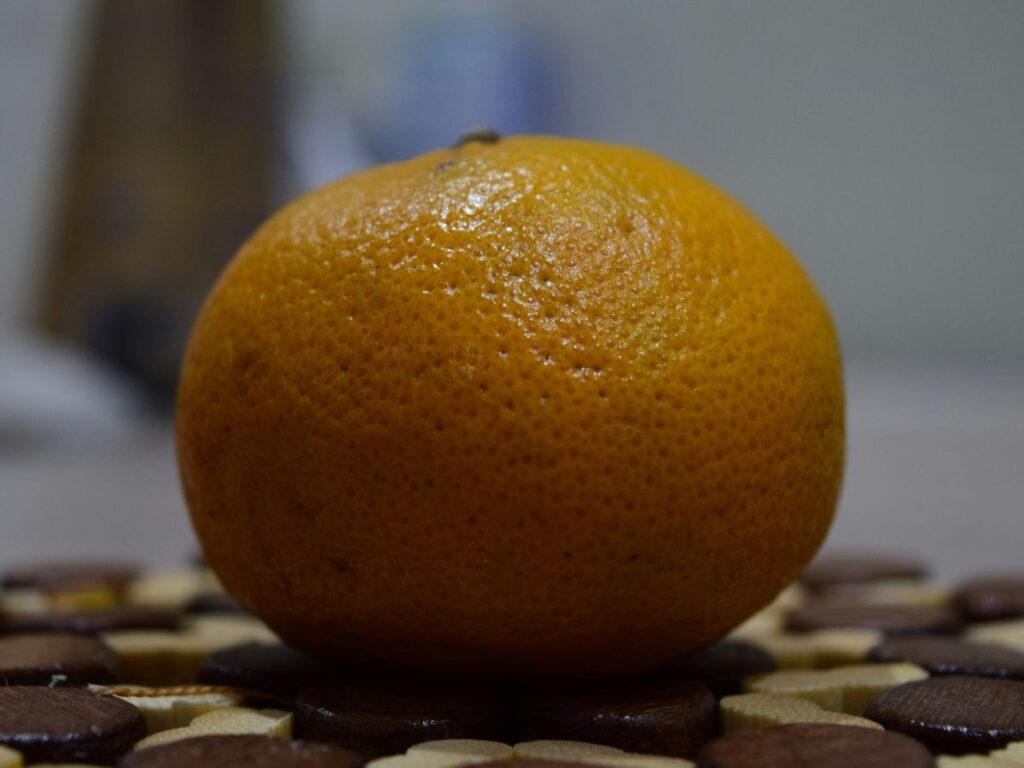
I knew I had done something wrong before she even said a word. Her porcelain-white skin, sunken cheeks, and what I saw at that young age as “scary eyes” hovered over me in silence for a moment. Then she looked at my plate, horrified — at my mutilated orange that I had sucked the juice out of — and told me that it wasn’t proper to leave all the fruit uneaten.
My grandmother grew up during the Great Depression — something I, and many other Americans, are beginning to wonder if we are on the verge of again.
Food prices have risen sharply in recent years. According to the U.S. Bureau of Labor Statistics, grocery prices rose 10.8% in 2022, the largest increase in decades. Since then, prices have remained elevated — U.S. food costs are still more than 23% higher than they were in 2020, according to the USDA Economic Research Service. Even now, prices are continuing to rise, with food costs up about 3.1% over the past year, based on recent BLS Consumer Price Index data.
That kind of increase changes the way you think about food — not just what you buy, but how much of it you can afford to waste.
And because of this, my kitchen has, somewhat ironically, come back to life with not more food, but more intention — no more sucking the juice and leaving the rest behind. Not anymore, Grandma.
The Cost of Eating
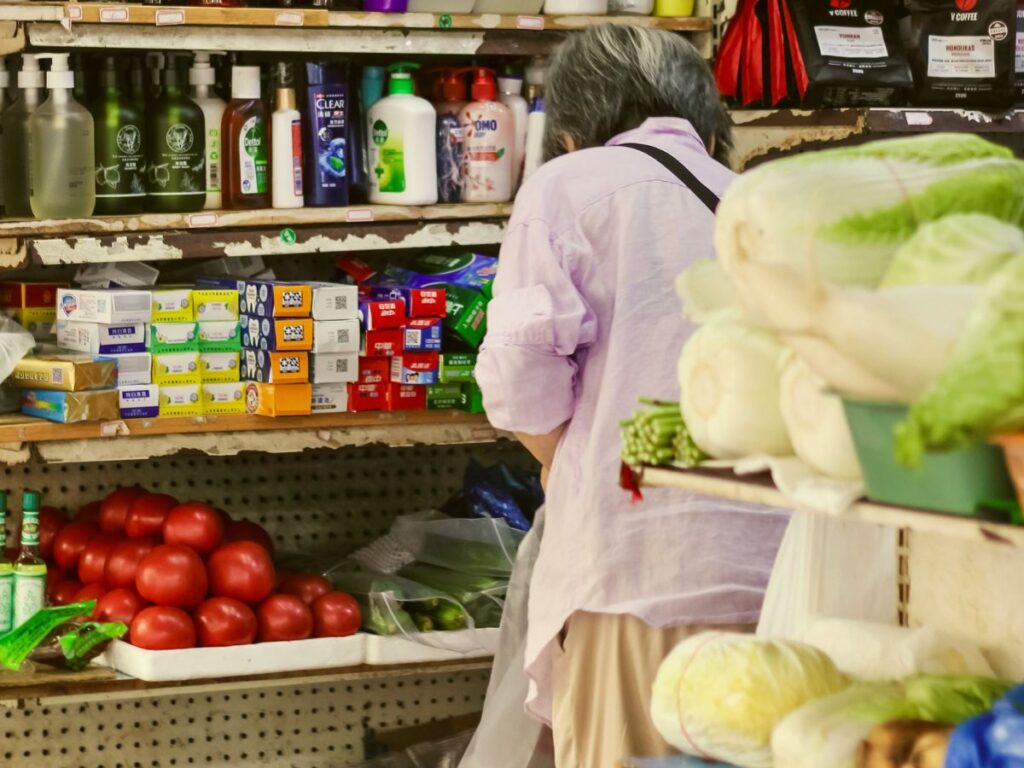
Across the internet, people are sounding the alarm about the rising cost of food and how it’s reshaping everyday life. In one widely shared sentiment, a commenter wrote, “As a two-income household, my husband and I have come to the realization that we can’t afford groceries.”
It’s not just frustration — it’s a pattern. Complaints point to more than higher prices; they reflect a growing sense that something deeper is shifting. Grocery bills are climbing while portions shrink, a phenomenon often referred to as “shrinkflation” — packages that look the same, but contain less, where prices go up and value goes down.
The question that keeps surfacing is simple, but loaded: What’s the end game?
Modern Frugality
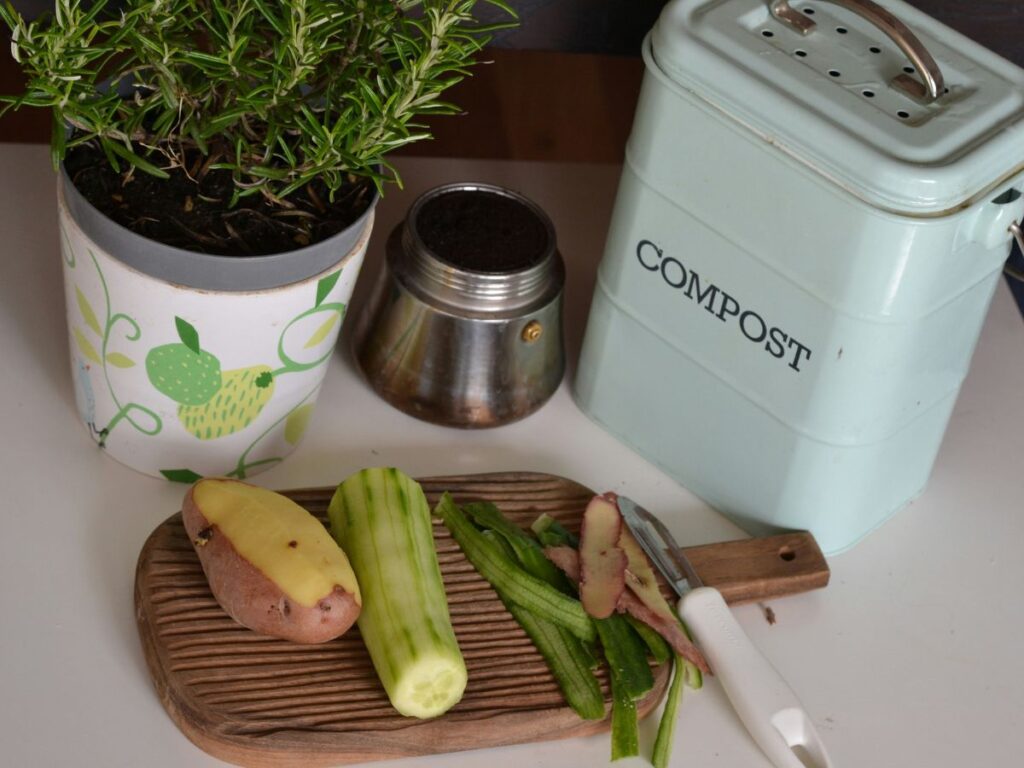
If there is an answer, it isn’t coming from policy or any form of assistance. It’s coming from people spending more time in their kitchens — cooking, stretching what they have, saving scraps for broth or compost, baking bread from scratch with sourdough starters. Whether they realize it or not, they’re doing some of the same things people did during the Great Depression, just in a more modern form.
Back then, meals were built around cheap staples — beans, soups, noodles — and whatever else could make them stretch. Meat wasn’t the centerpiece; it was extended across multiple meals. Leftovers weren’t thrown away, they were reworked. Nothing was wasted if it could be used. It wasn’t a lifestyle or a trend. It was survival.
I see it in my own kitchen now. I think about what can be used before what needs to be bought. I save what I would have thrown away before and turn it into something else. I make my own vegetable broth. I’m learning how to garden, both indoors and out. Most importantly, I make sure nothing gets wasted — even if that means eating my son’s uneaten sandwich crusts.
My grandmother would be proud. Or at least, she wouldn’t say a word.

If you’re interested in more thoughts like this — the ideas, questions, and curiosities around how we eat — you can join me in my weekly column, The Edit on Substack.
(Visited 16 times, 2 visits today)
Leave a Reply