No products in the cart.
The End of Full Price

M.J. Mercury
May 7, 2026
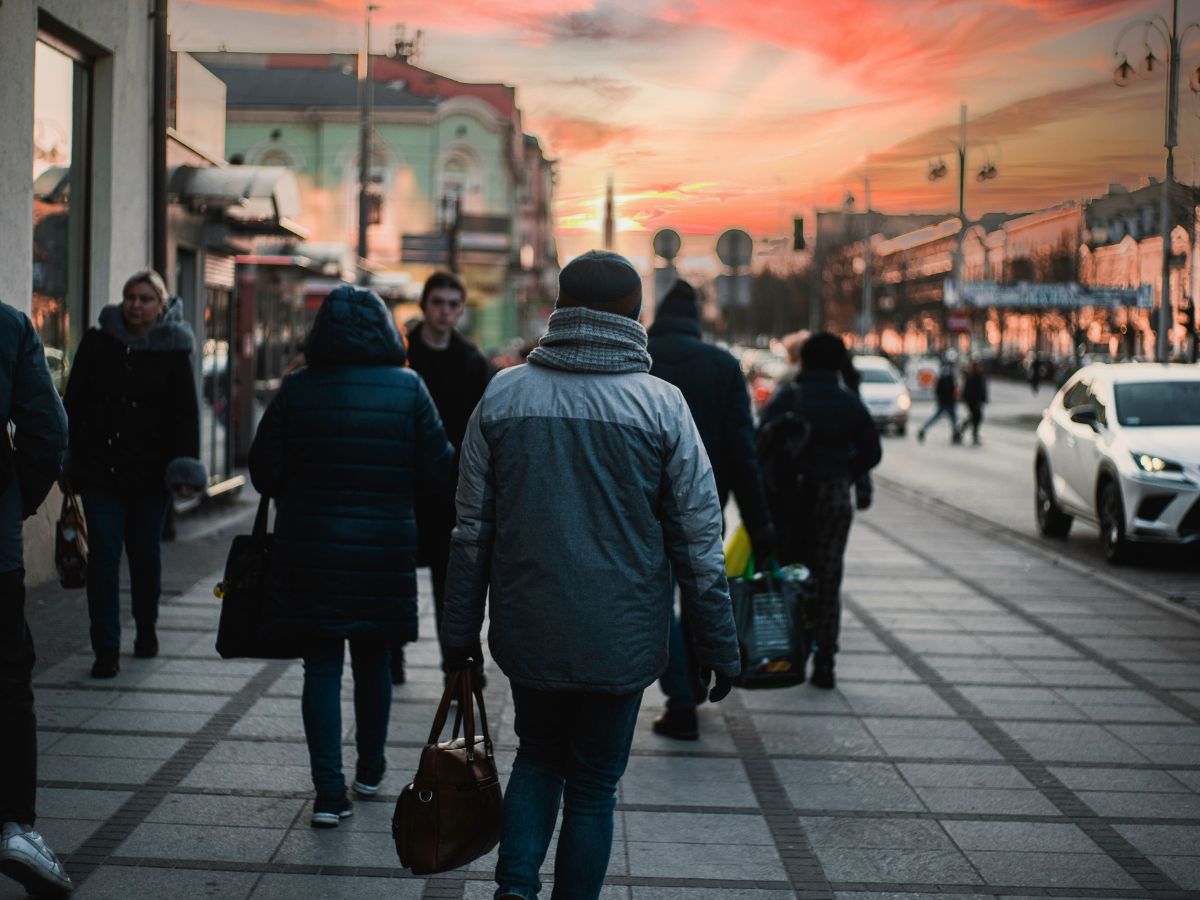
Discount stores aren’t just for “someone else” anymore
We’ve all seen it. “The End” staring at us, almost mocking us as we drive to the grocery store. If you have an Ocean State Job Lot nearby, you’ve probably ended up behind one of their delivery trucks, those big black letters stamped across the back: THE END. It’s a strange thing to follow when you’re headed somewhere that feels anything but final.
Because there is no end in sight when it comes to grocery prices. In fact, according the Center for American Progress, grocery costs are up roughly 30% since 2020, with the average family now spending over $1,000 a month just to keep up.
And people are responding. Not dramatically, not all at once — but steadily. Retail analysts call it the “trade-down effect,” where shoppers shift away from higher-priced stores and toward discount options, swapping brands, locations, and even entire shopping habits to keep costs down.
You can see it in the numbers. According to a press release on Blue Book. Walmart now reaches 72% of U.S. grocery shoppers, a record high, as more households — especially middle-income ones — look for ways to stretch their budgets.
So yes, it may feel like a personal decision — stopping at Job Lot, grabbing something from Walmart, picking up groceries somewhere you never used to consider — but it’s not just you.
It’s a cultural shift and it’s blurring the lines at more than just the checkout.

In search of a discount
As more people move toward discount stores, it’s not about convenience. It’s necessity. Food isn’t optional, but neither are mortgages, rent, or car payments. Something has to give, and more often than not, it’s where we shop.
That’s the part that feels different.
Because when more people start making the same kinds of decisions — shopping in the same places, reaching for the same alternatives — it starts to blur more than just price points. It blurs the lines between who these stores were “for” and who they’re for now.
The question is whether that changes anything beyond the cart.
If people who once shopped in completely different places are now standing in the same aisles, making the same trade-offs, does that shift anything else?
Maybe.
But that’s a different story for a different day.
So, maybe it’s not the end after all.
Just the end of full price — and maybe the end of the middle class as we knew it.

If you’re interested in more thoughts like this — the ideas, questions, and curiosities around how we eat — you can join me in my weekly column, The Edit on Substack.
(Visited 3 times, 2 visits today)
Leave a Reply