Let’s face it — many of us millennials didn’t grow up with much choice in the kitchen. Dinner was dinner. You ate what was served, whether you liked it or not. Now we know something different: small choices matter. That’s why this Creamy Vegan Peanut Butter Overnight Oats recipe isn’t just breakfast — it’s an opportunity.
A conversation with my son went a little like this the other day:
Me: “Hey, how about we have overnight oats for breakfast tomorrow, since you seem to be sick of everything else?”
Him: “No, I don’t like overnight oats.”
Me: “Really? Not even peanut butter overnight oats?”
Him: “Well … yes. But now I want them right now. But they’re overnight, so I can’t have them.”
Me:(laughing) “Well, yes — but you can have them in the morning.”
Him: “Okay, let’s make them!”
And off he ran into the kitchen.
I think peanut butter was the selling point.
Familiar Foods Can Feel New Again
Part of the hesitation, I realized later, was that my son hadn’t had overnight oats in a long time.
Somewhere between trying new breakfasts and rotating through our usual favorites, they had quietly disappeared from our routine. And without that regular exposure, something he used to enjoy started to feel unfamiliar again.
It wasn’t that he suddenly disliked overnight oats.
He had simply forgotten:
The texture
The Flavor
And that he had liked them before — especially with peanut butter
Sometimes, foods don’t need to be brand new to be met with resistance — they just need to be gone long enough to feel that way.
A Safe Foods List (That Grows With Them)
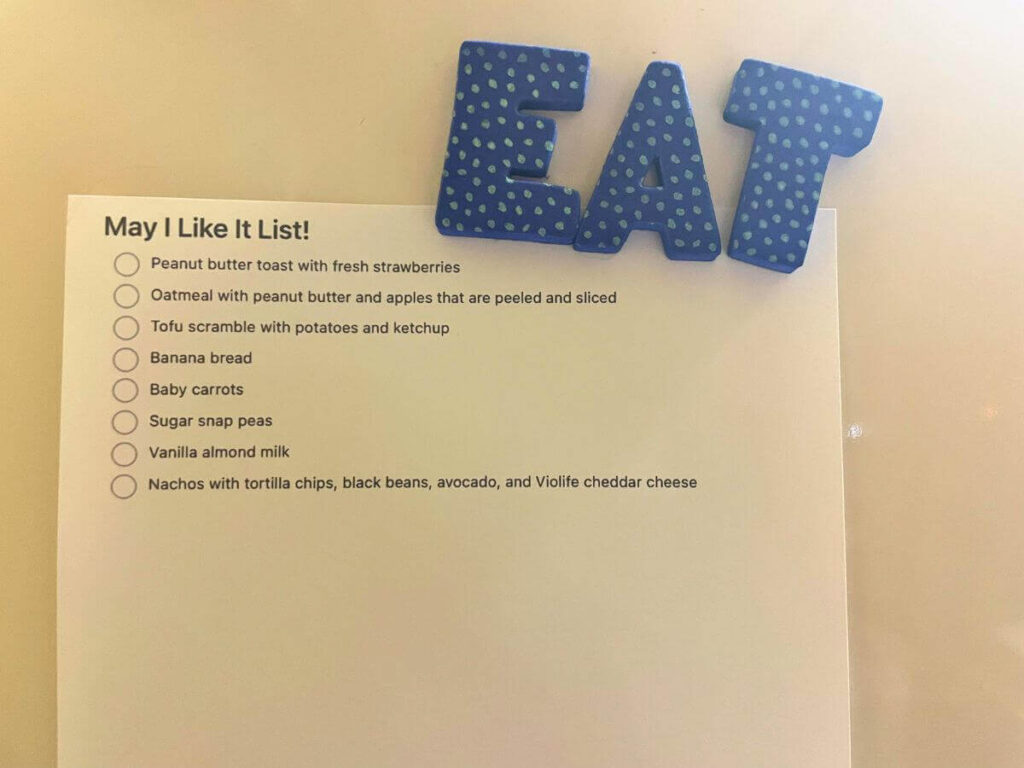
This is why we keep a Safe Foods List — what we call “My I Like It List” — on the fridge, held up with a magnet where we can both see it.
You can try this too. A simple sheet of paper works. A magnetic whiteboard works, too. Just make sure it’s in a spot where it won’t accidentally rub off. The key isn’t how it looks — it’s that it stays visible.
Every so often, I ask, “What are foods you know you like right now?”
And we write them down exactly as he says them.
Not just peanut butter — peanut butter overnight oats. Not just pasta — spaghetti with red sauce. The specifics matter. They help his brain remember the full experience.
If something no longer sounds good, we don’t erase it. He lightly crosses it off so it’s still visible underneath. Sometimes a food just takes a break.
But leaving it there quietly says, “You liked this once.”
Getting Comfortable with Something New or Old
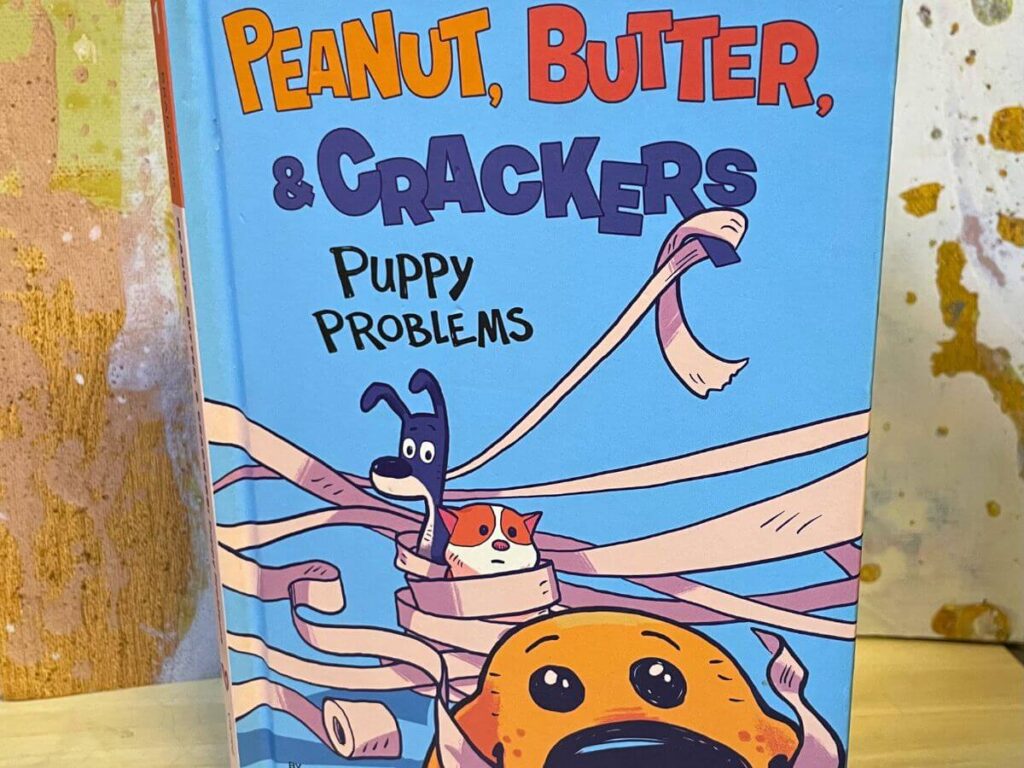
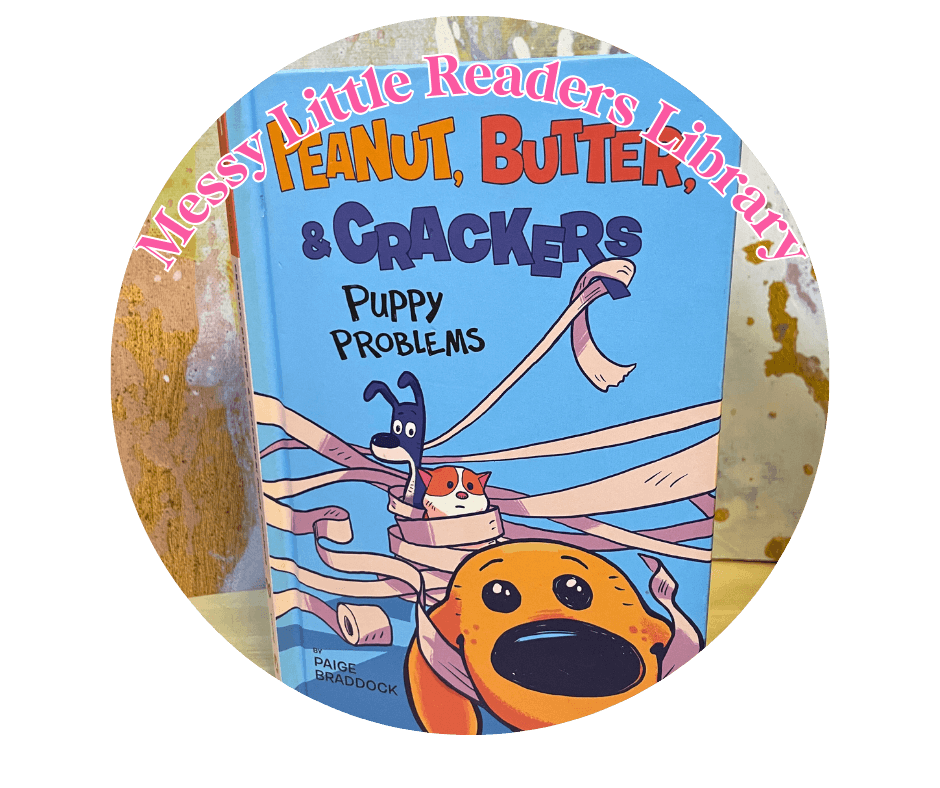
The moment my son realized he does like overnight oats reminded me of Puppy Problems (Peanut, Butter, & Crackers) by Paige Braddock — a story about two pets adjusting to a new puppy in their home.
Just like new foods can feel overwhelming at first and then slowly become familiar, the characters discover that change doesn’t have to mean losing what already feels safe.
At first, they’re unsure. The puppy is vocal, unpredictable, and a little overwhelming.
But over time, as they spend more time around him, their feelings begin to change. What once felt new and uncomfortable starts to feel familiar.
Eventually, they realize they actually enjoy his presence.
The same thing can happen with food.
A child may initially say no to overnight oats — or to cinnamon, or chia seeds — simply because they feel unfamiliar. But when given the opportunity to choose how those ingredients show up in their bowl, sometimes something shifts.
Familiar Base, New Possibilities
For this recipe we start with the same familiar base each time:
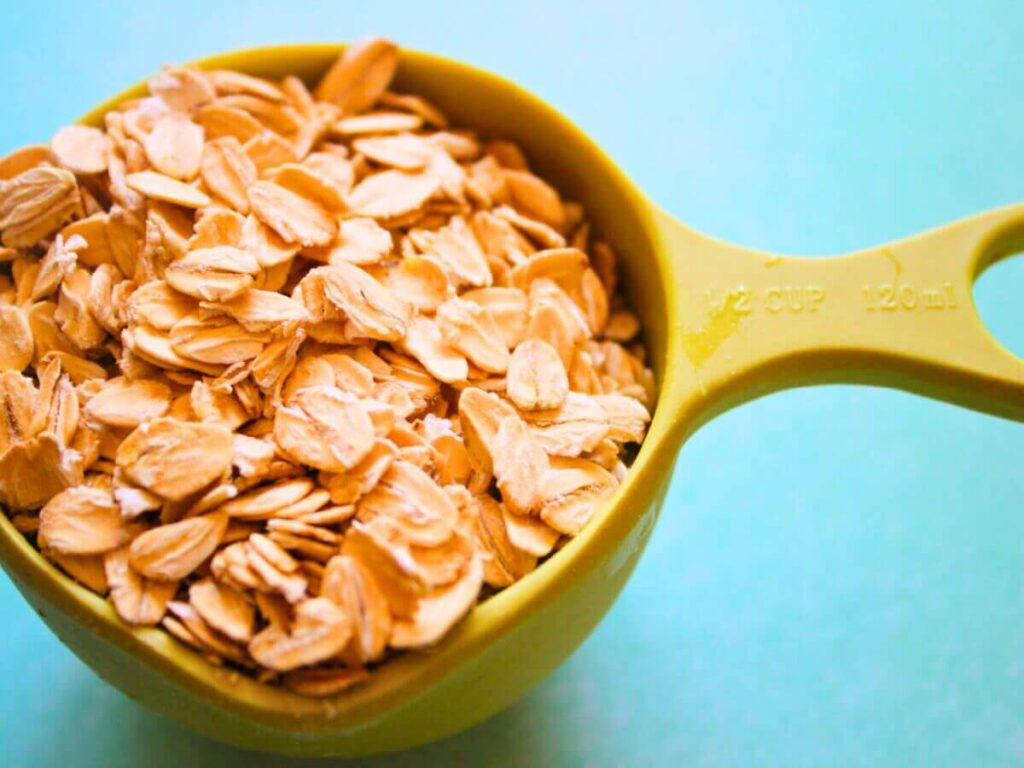
1/2 cup rolled oats
1/2 cup vanilla plant-based milk
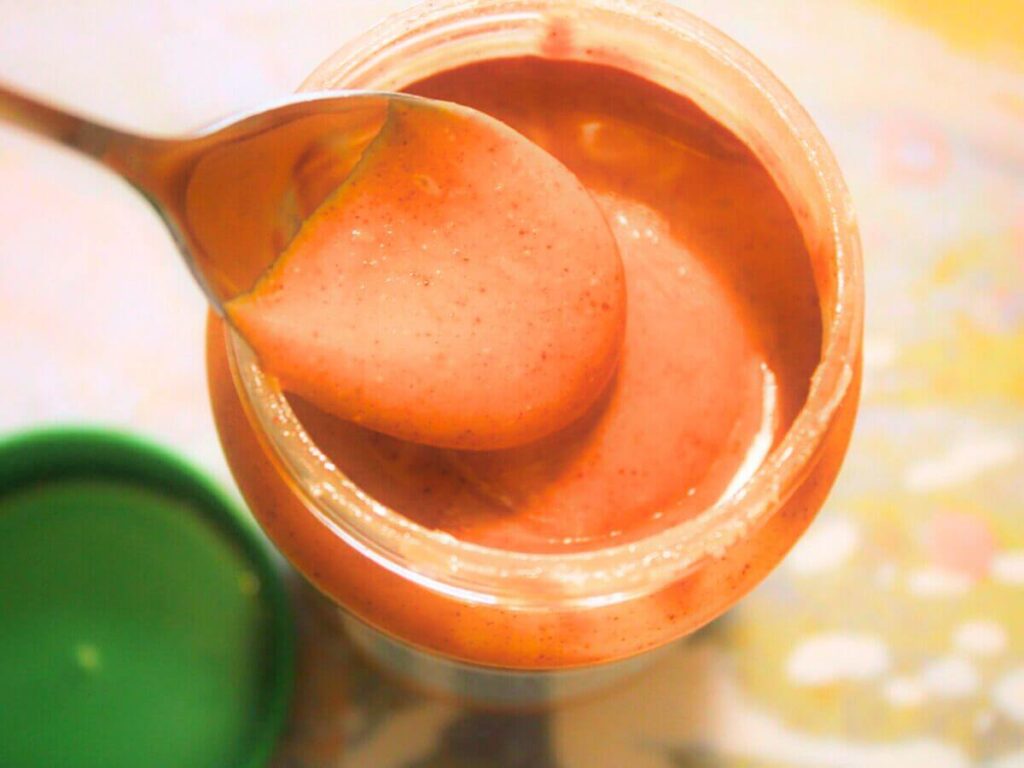
1 tablespoon Peanut butter
From there, the choices belong to him.
Some nights it’s strawberries. Sometimes it’s:
Chocolate chips
Granola
More oats
Other times it’s nothing at all.
And occasionally, something new like:
Chia seeds
Hemp seeds
Flax seeds
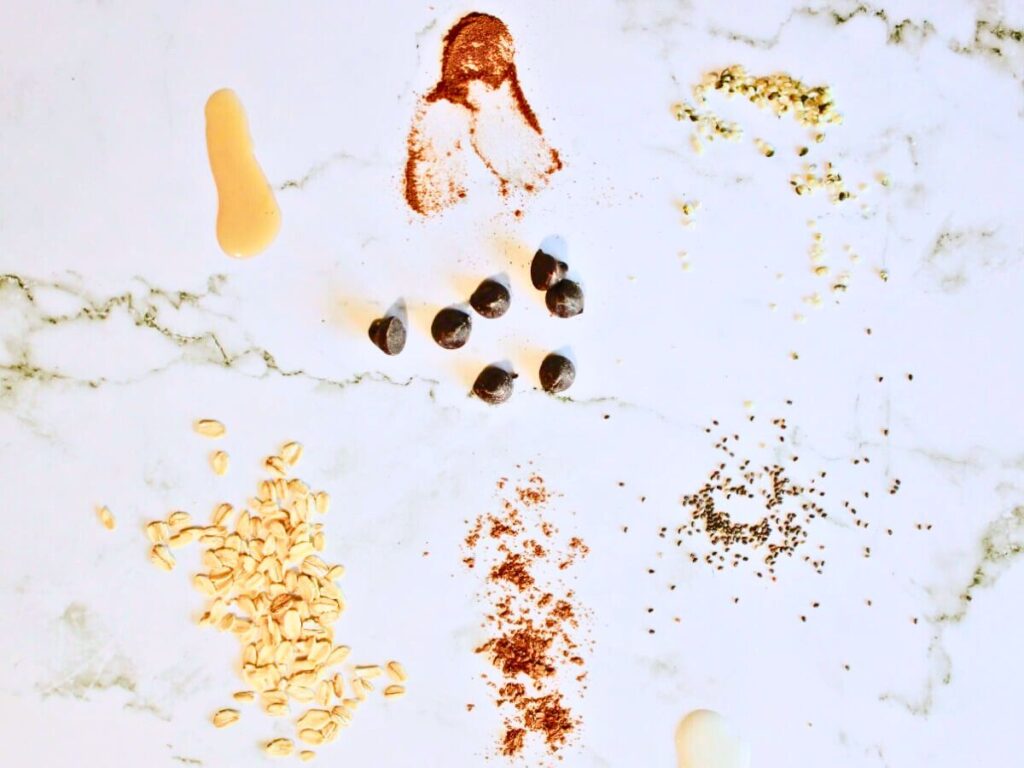
Caco powder
Agave syrup
These small decisions may not seem like much, but they create a sense of ownership over what’s being made — ownership often leads to better choices over time.
After growing up in a kitchen where choice is allowed, my son now chooses teriyaki tofu over donuts and strawberries over candy more often than not. And yes — that really is true.
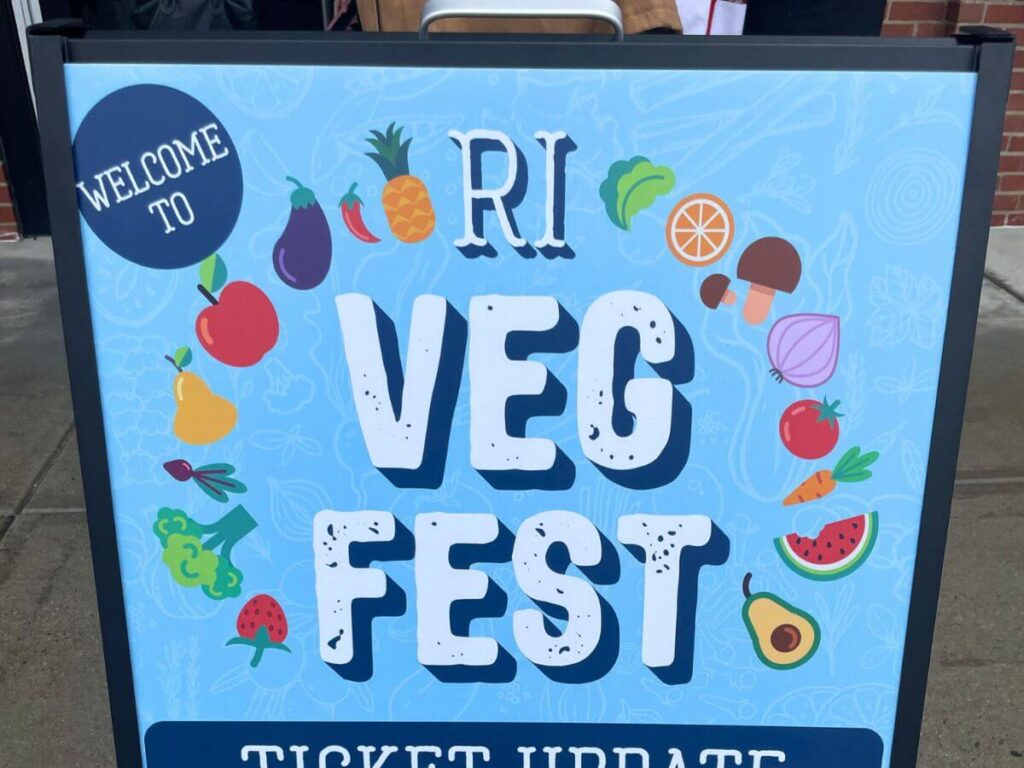
The first year we attended what has now become our annual trip to VegFest, he shocked me. He tried everything being handed out on toothpicks for free samples. Every single thing.
His favorite? Teriyaki tofu. Hands down.
He loved it so much that he came home and created his own version.
That’s why I love setting up a taste test activity in the kitchen to introduce new foods in a fun way — and not just for this recipe, but for any recipe.
A Simple 5-Step Taste Test Activity
If you want to turn this into a low-pressure food exploration activity, set it up like a tiny tasting table instead of a “meal.”
Step 1: Set the scene Lay out a tray or small section of the table. Use little jars or ramekins and place small amounts of each option inside — flax seeds, chia seeds, hemp seeds, agave, chocolate chips, cacao powder. Keep the portions tiny so it feels manageable.
Step 2: Anchor it with safe foods Include a few things already on your child’s Safe Foods List — maybe peanut butter, strawberries, or granola. This keeps the space grounded in familiarity.
Step 3: Start with the base Scoop a small spoonful of plain peanut butter overnight oats into a bowl. This is the “home base.” From there, they can add one thing at a time — or nothing at all.
Step 4: Let them control the experiment They decide what gets sprinkled, drizzled, or skipped. Remind them they’re allowed to try, smell, touch, or pass. This is exploration, not a requirement.
Step 5: Observe, don’t evaluate Instead of asking if they like it, ask what they notice. Crunchy? Sweeter? Too much? Just enough? Every reaction is information.
And then, slowly, without pressure, something that once felt new starts to feel familiar.
Just like in Puppy Problems, what felt uncertain at first becomes part of the story — and sometimes, part of the Safe Foods List too.
Puppy Problems follows two pets as they adjust to the arrival of a new puppy in their home. At first, they aren’t thrilled with the changes, but over time — through patience and repeated experiences — they begin to realize that the puppy isn’t so bad after all.
Creamy Vegan Peanut Butter Overnight Oats offer a similar experience in the kitchen. Starting with a familiar base like oats and peanut butter allows kids to explore small additions, like fruit or seeds, at their own pace.
Best For:
All ages are welcome, but it’s typically best suited for ages 6–10, especially kids who enjoy graphic novels, expressive characters, and humorous stories about navigating change.
Read Along Focus:
Notice how the characters respond to the puppy over time and how their feelings begin to change with familiarity.
Things to Point Out While Reading:
New experiences may feel uncomfortable at first
Feelings can change over time
Spending time with something new can make it feel more familiar
Simple Lessons (No Lecturing):
Exposure helps new experiences feel less overwhelming
Familiarity builds comfort
Patience allows preferences to grow
Kitchen Tie-In:
While preparing the overnight oats, let your child:
Start with a familiar flavor like peanut butter
Decide whether to add fruit
Try one new topping if they feel ready
Encourage them to talk about what they chose and why.
The Moment You’re Creating
This is a quiet moment of gradual change — measuring, mixing, and choosing what feels right for tomorrow morning.
A little like the characters in the story, new ingredients may take time to grow on us.
And sometimes — with enough familiarity — we realize we actually like them after all.
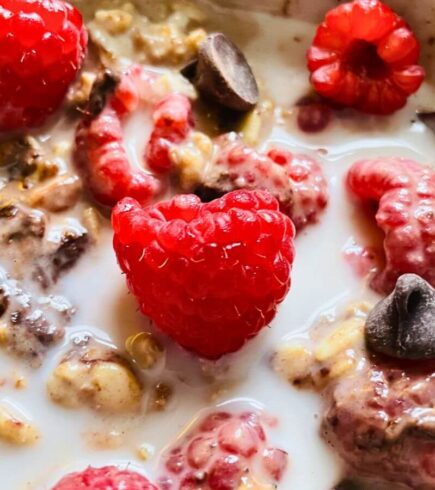
Thick, creamy, and loaded with rich peanut butter flavor, these vegan peanut butter overnight oats come together in minutes and chill overnight for an easy grab-and-go breakfast. Let kids choose their own toppings — strawberries, chocolate chips, chia seeds, or nothing at all — for a satisfying, kid-friendly start to the day that feels like their choice.
Course Breakfast
Keyword Peanut Butter Overnight Oats
Prep Time 5 minutesmins
Cook Time 6 hourshrs
Servings 1
Author M.J.
Ingredients
1/2cuprolled oats
1/2cupvanilla flavored plant-based milk
1teaspoonpure maple syrup
1teaspoon pure vanilla extract
1teaspoon chia seeds
2tablespoonspeanut butterdivided
1/2cupsliced strawberriesoptional
Instructions
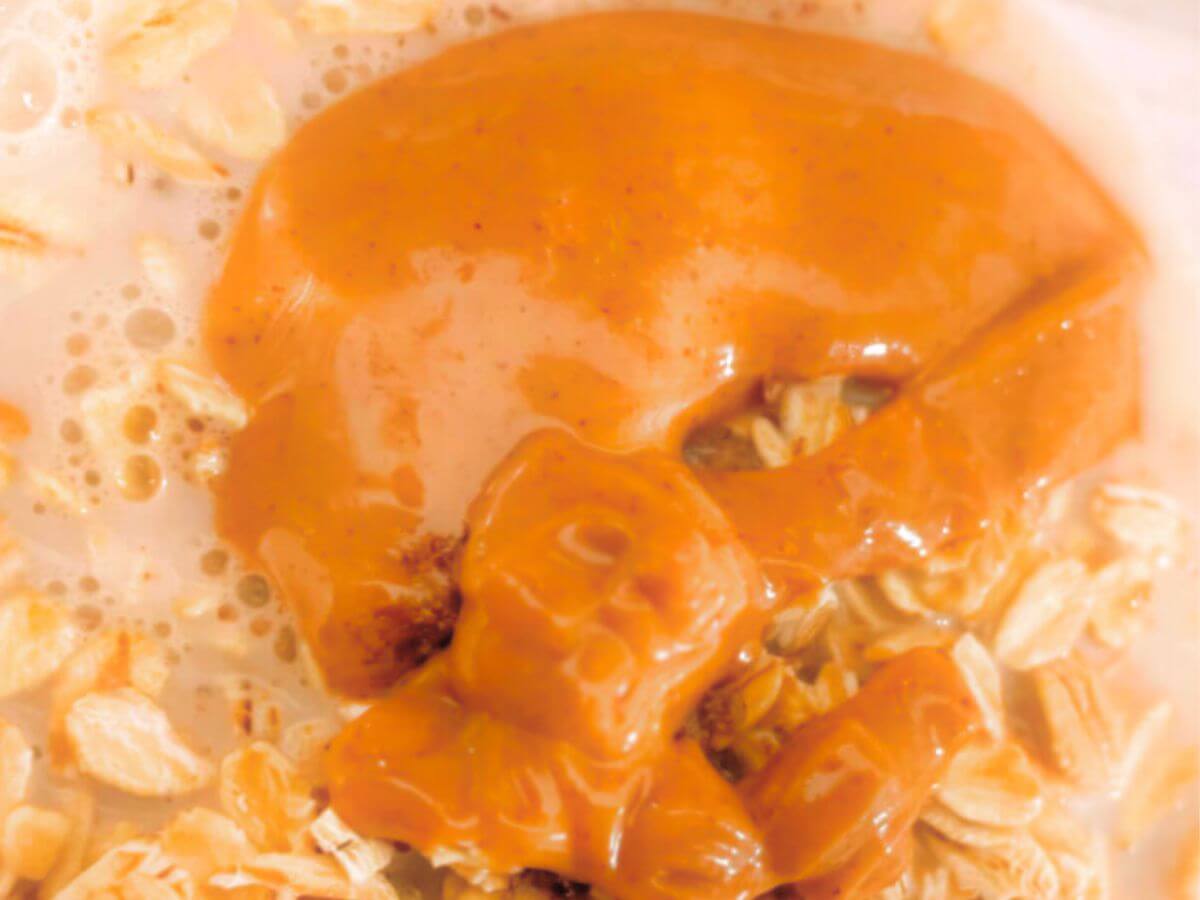
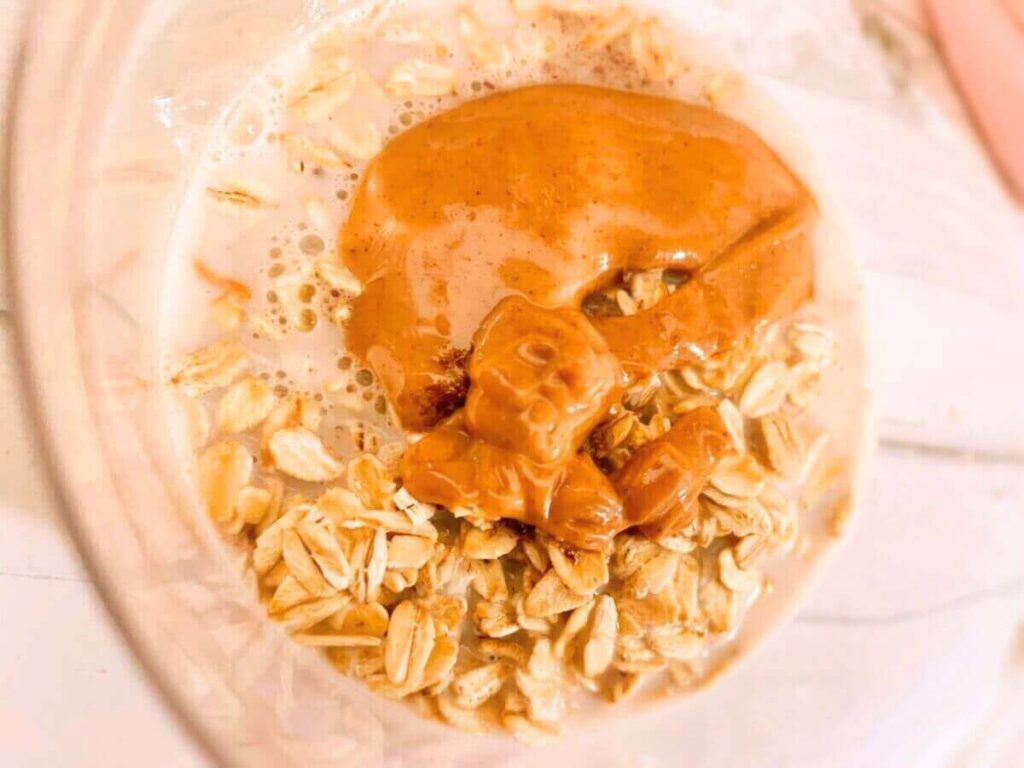
Combine all ingredients into a jar, except the second tablespoon of peanut butter and the optional strawberries.
Use a fork to mix the ingredients together.
Cover and refrigerate overnight or for at least six hours.
In the morning, serve with a dollop more of vanilla plant-based milk, a tablespoon of peanut butter, and strawberries.
This post contains affiliate links. I may earn compensation when you click on the links at no additional cost to you.


 Print Recipe
Leave a Reply