Snowy days tend to change the rules a little. Schedules soften, plans disappear, and time stretches in a way that makes space for something slow — like baking a cozy Vegan Banana Bread together and turning flour into snow, batter into tracks, and ingredients into something new — yet still rooted in the familiar.
The Mess Matters More Than a Bite
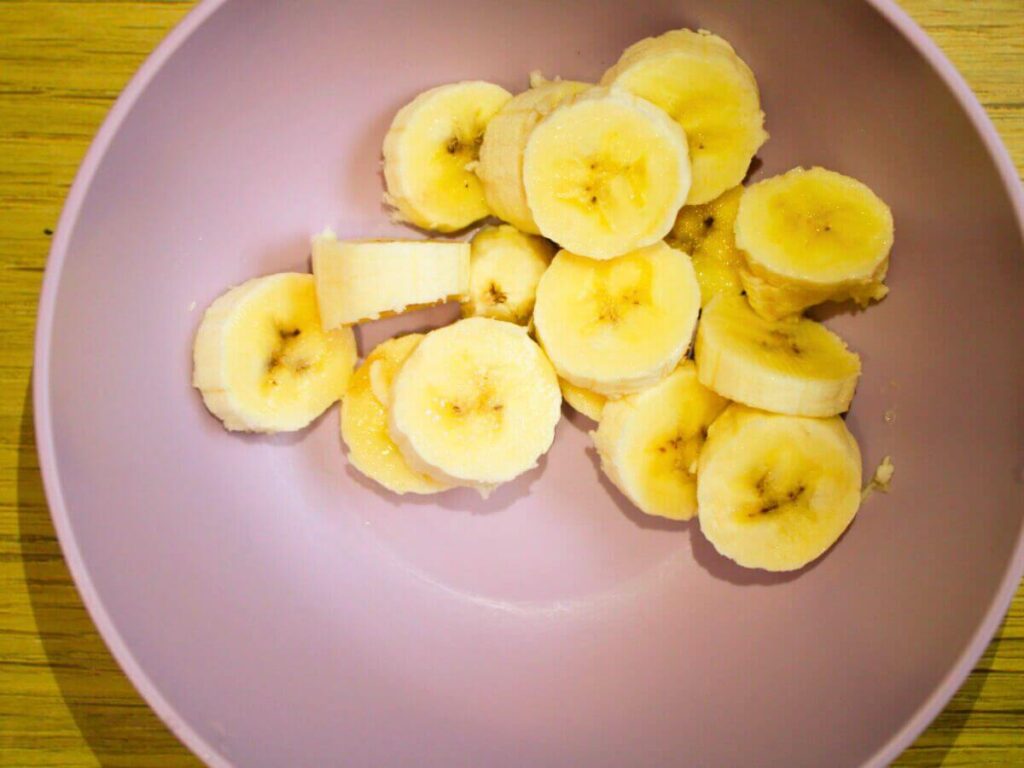
Bananas are usually a familiar food. Most babies eat them early.
Soft. Sweet. Predictable.
But familiar doesn’t always stay familiar.
At some point, my son decided bananas were no longer welcome — not sliced, not blended, not baked — just a dramatic head turn that made it very clear: case closed.
If your kid only eats five foods, you know how quickly a food can move from familiar to firmly off-limits — or never make it onto the safe list at all.
Whether banana is welcome in your house right now or absolutely not, this recipe isn’t really about convincing anyone to eat it.
It’s about taking the time to be in the kitchen together.
Mashing
Stirring
Playing
To let food be something you experience side by side — whether it gets tasted or not — because sometimes the win isn’t a bite.
Sometimes it’s the mess you made together.
What a Snowy Day Taught Me About Food
The last time it snowed, my son and I stayed inside most of the afternoon. Not because we had to. But because it felt like one of those rare winter days where the world quiets down enough for you to notice things.
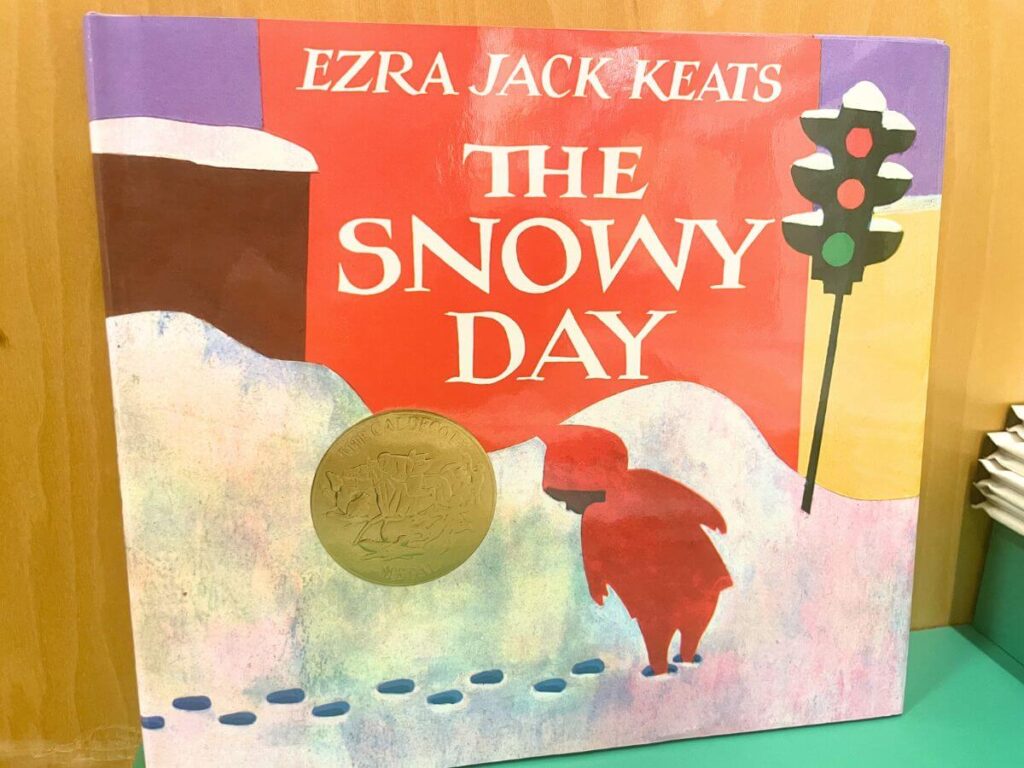
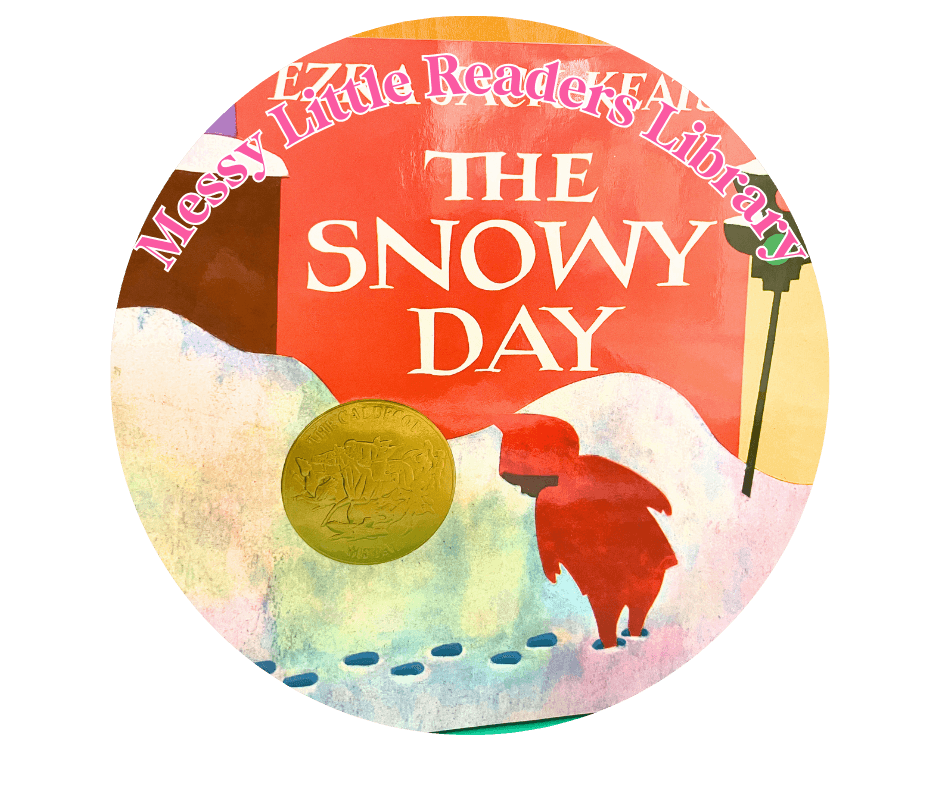
We read The Snowy Day by Ezra Jack Keats. We talked about the crunch of boots in snow. The way Peter pressed it together. The way he made tracks just to see what would happen.
And somewhere between the couch and the kitchen, I had one of those quiet mom realizations.
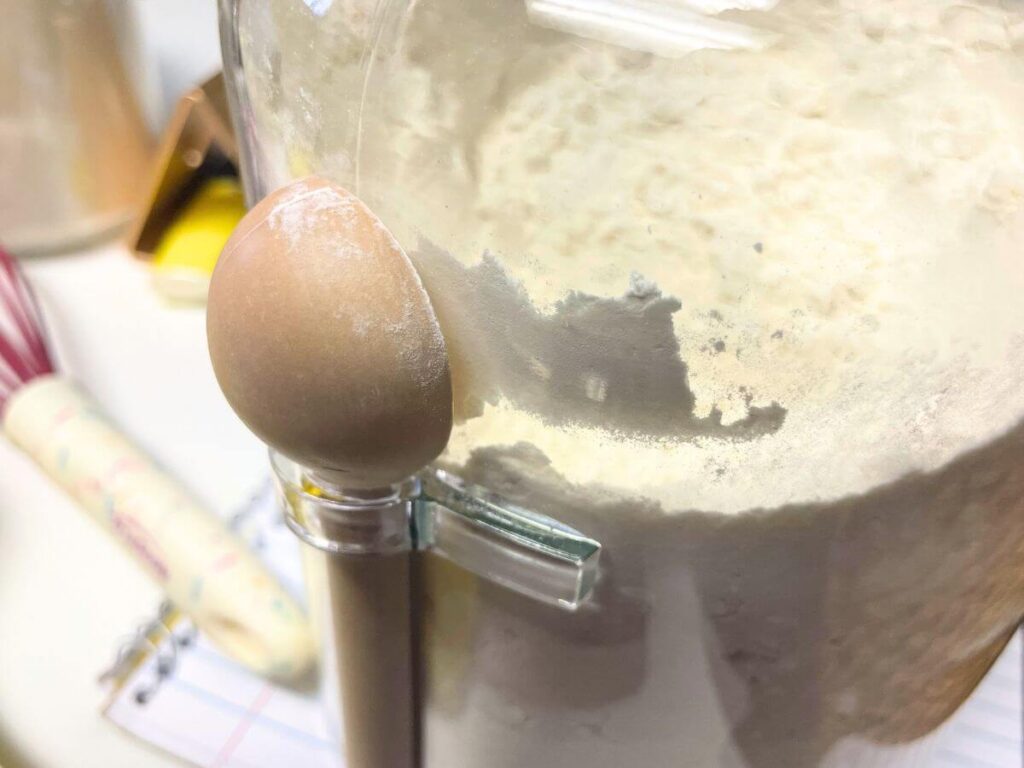
Before we mixed anything, I poured a little flour into a bowl.
“Does this look like snow?” I asked.
He ran his fingers through it slowly, pressed it together, and watched it fall back into the bowl.
We talked about whether it felt:
Dry
Soft
Dusty
Light
Some kids will dive right in, scooping flour with both hands and sending soft clouds into the air. Others might poke it once and pull back. Some will hover nearby, curious but cautious.
And some will turn it into science.
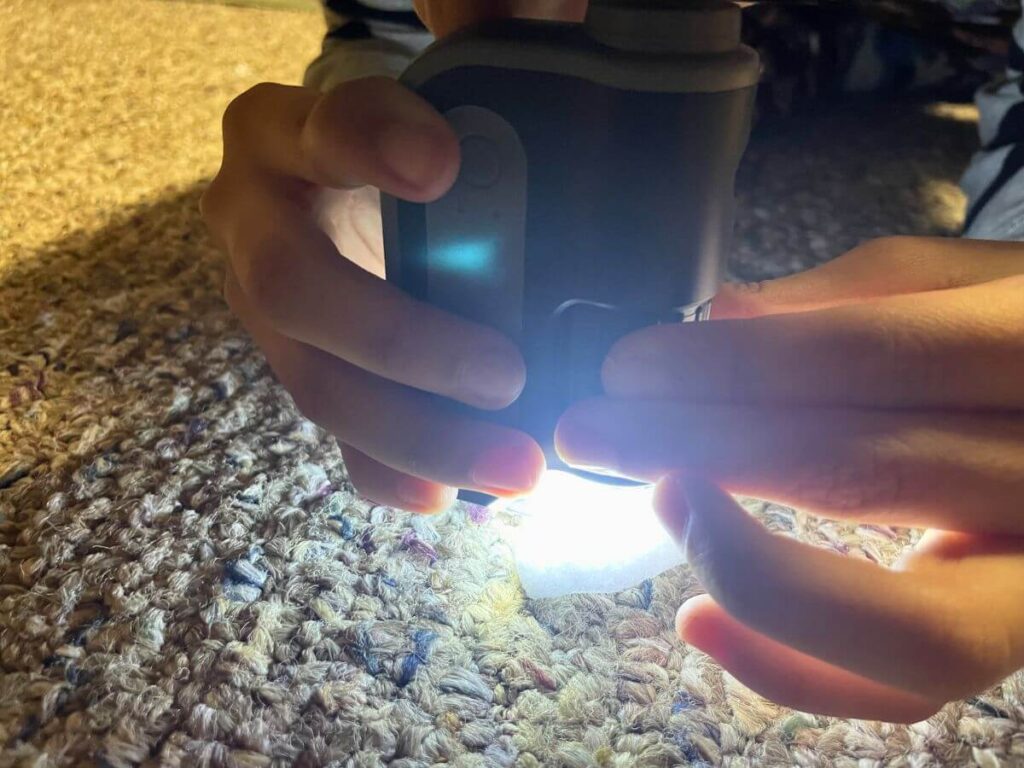
That afternoon, my son disappeared for a minute and came back carrying his microscope. His first idea was to inspect a snowflake outside. His second was to bring the microscope into the kitchen and inspect the flour.
We looked at snow. Then we looked at flour. And suddenly we were comparing textures, shapes, and tiny details I would have never thought to notice on my own.
In our house, food doesn’t just become dinner. Sometimes it becomes an experiment.
Flour became snow, snow became science, and the kitchen became a place where curiosity is welcome — whether anyone plans to take a bite or not.
When Bananas Become Banana Bread
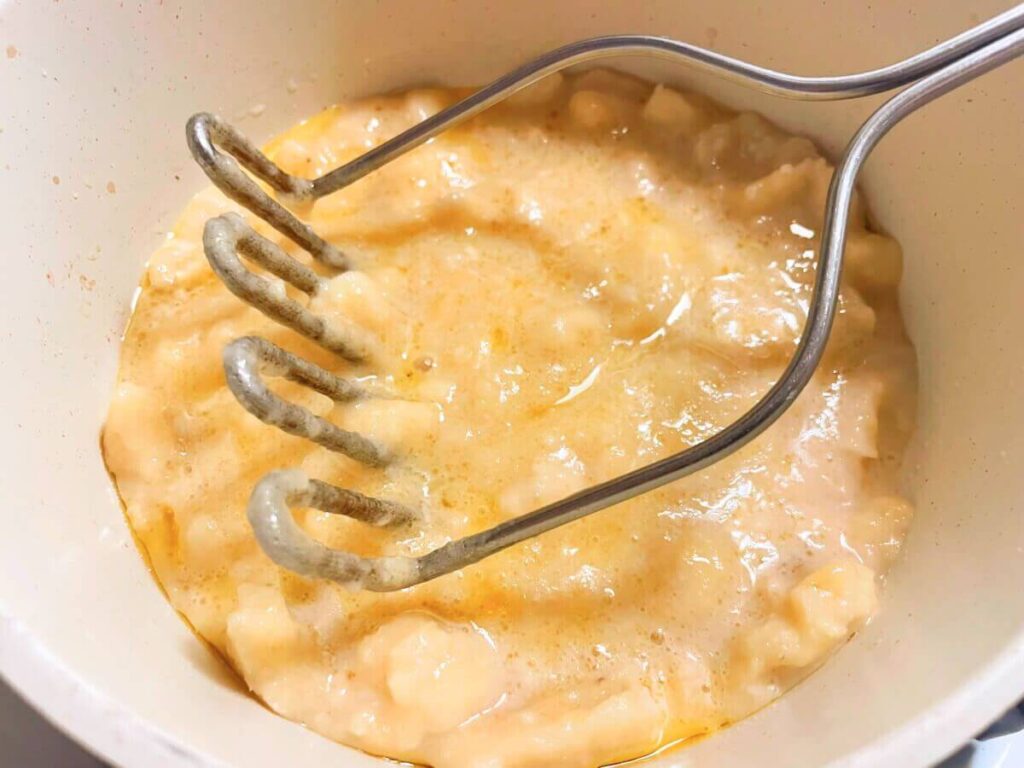
Once the mashed bananas went in, the texture shifted. What had been dry and powdery moments before became sticky, smooth, slightly slippery — and still a little lumpy in the best possible way.
The flour disappeared into the wet ingredients, and separate parts slowly became one thick, swirly batter. He stirred while I held the bowl steady, and together we watched the mixture change with every turn of the spoon.
That moment — when ingredients transform right in front of you — is my favorite part. It mirrors what happens with kids and food. Familiar plus unfamiliar becomes something new, but only when there’s enough safety, time, and room to explore.
Snowy days are perfect for that, because banana bread doesn’t demand speed.
It invites waiting, watching, smelling the sweetness rise in the oven, and wondering what it will taste like when it’s finally ready.
Making Tracks in the Batter
After we poured the batter into the loaf pan and smoothed it out — we paused.
It was time to choose the toppings and make some tracks in our batter. This is one of my favorite Messy Plate Method moments.
Because toppings are ownership. When kids get to choose what goes on top — and how it goes on — something shifts.
It’s no longer just banana bread.
It’s their banana bread.
They made the tracks. They chose the pattern. They decided what belonged in their batter — just like Peter did in the snow.
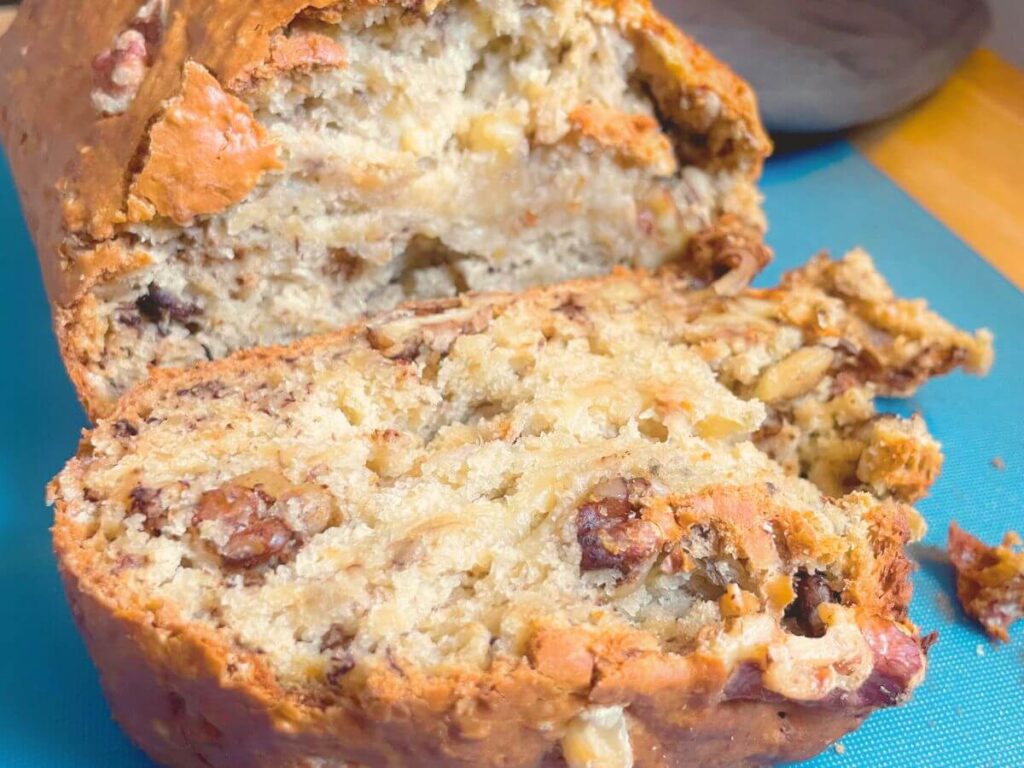
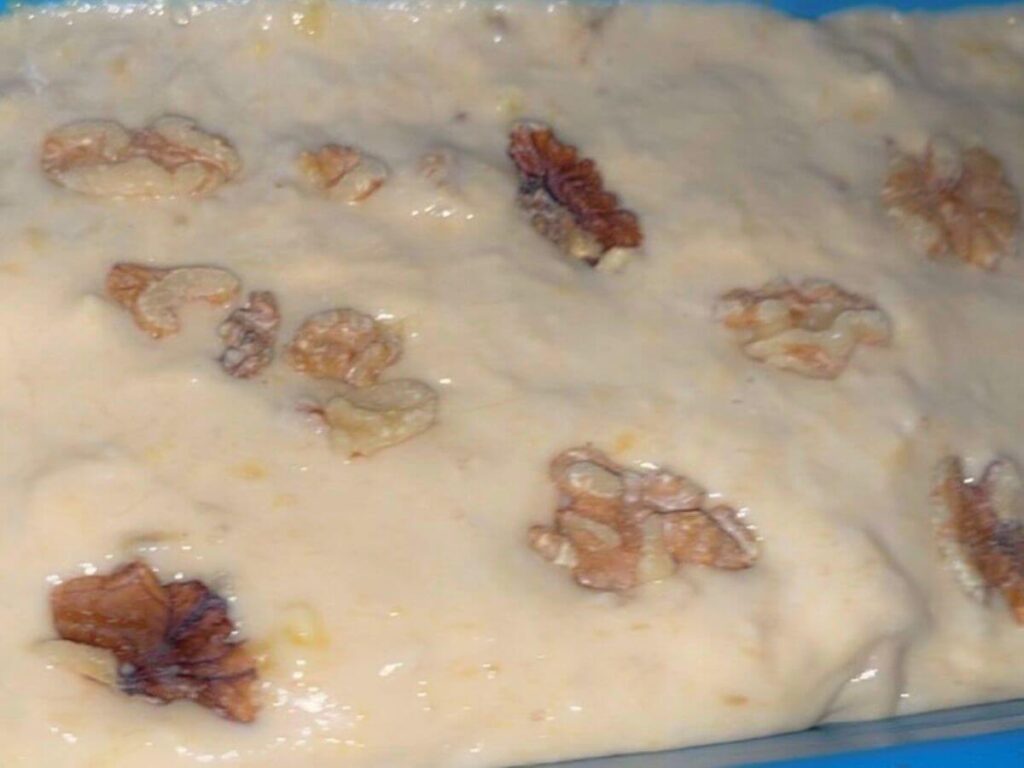
We took walnuts and made little tracks across the top of the batter, pressing them in the way Peter pressed his boots into fresh snow.
You could use:
Chocolate chips
Pecans
Banana slices
Or nothing at all
Next we stepped back and let the oven do its part.
And eventually — without rushing, without pressure — something warm and golden rose in the oven.
The house smelled sweet. The world outside stayed quiet. And the loaf cooled slowly on the counter.
Snow days don’t last.
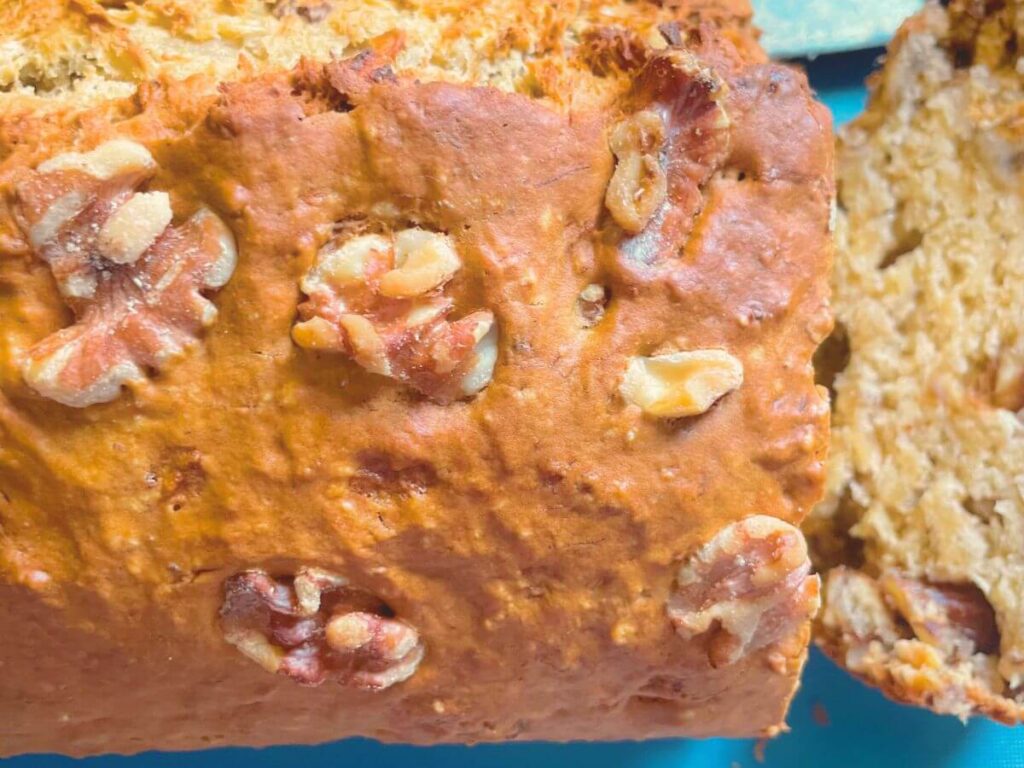
But the memory of making tracks — in snow or batter — does. And yes … the banana bread was gone by the next morning.
How to Try the Snowy Day Experiment at Home
My son examines snow indoors with his handheld microscope.
This is less about banana bread and more about connection.
You don’t need a microscope, and you don’t need snow — although if you happen to have both, consider it a bonus.
You just need a little time and a willingness to play.
1. Start With a Story
Read The Snowy Day. Notice tracks, snowballs, crunching sounds, and what sticks or doesn’t. Let curiosity lead.
2. Recreate the Snow
Pour a bowl of flour before you begin baking. Press it. Try to pack it. Add a drop of water. Compare it to real snow if you have some nearby.
3. Watch What Changes
As you mash bananas and mix the batter, keep noticing. What makes flour loose but batter sticky? What makes something hold its shape?
4. Make Tracks
Smooth the batter like fresh snow and let your child create patterns with toppings. This is where ownership lives.
5. Release the Outcome
They may taste it, or they may not.
The point isn’t the bite; it’s the mess you made together, the experiment you shared, and the relationship you built in the middle of it.
The Snowy Day is filled with sensory discovery. Peter presses his footprints into the snow, watches it fall, packs it into balls, and notices how it changes in his hands.
Making this Vegan Banana Bread offers that same kind of experience in the kitchen, where flour can be sifted, pressed, or swirled, and batter can be stirred, poured, and observed as it thickens and moves.
Best For:
All ages are welcome, but it’s typically best suited for ages 3-8, especially children who enjoy hands-on sensory exploration.
Read Along Focus:
Encourage kids to notice what Peter feels — the crunch of snow underfoot, the softness of it falling, the way it packs together.
Things to Point Out While Reading:
Snow changes depending on how you touch it
Hands can explore without needing to rush
Watching something happen is part of learning
Simple Lessons (No Lecturing):
Exploring with your hands helps you understand something new
Textures can feel different even if they look similar
Small changes happen over time
Kitchen Tie-In:
While baking:
Compare flour to snow — how is it similar? How is it different?
Notice how mashed bananas feel compared to the dry flour
Watch how the batter moves as you stir
The Moment You’re Creating
Flour drifting through fingers like snowfall, batter swirling in the bowl, and the warm smell of banana bread filling the kitchen as something familiar slowly becomes something new — soft, quiet, and worth noticing.
By the time it’s ready, the loaf is warm, the kitchen smells amazing, and your child may just feel like they helped bring a little bit of winter inside.
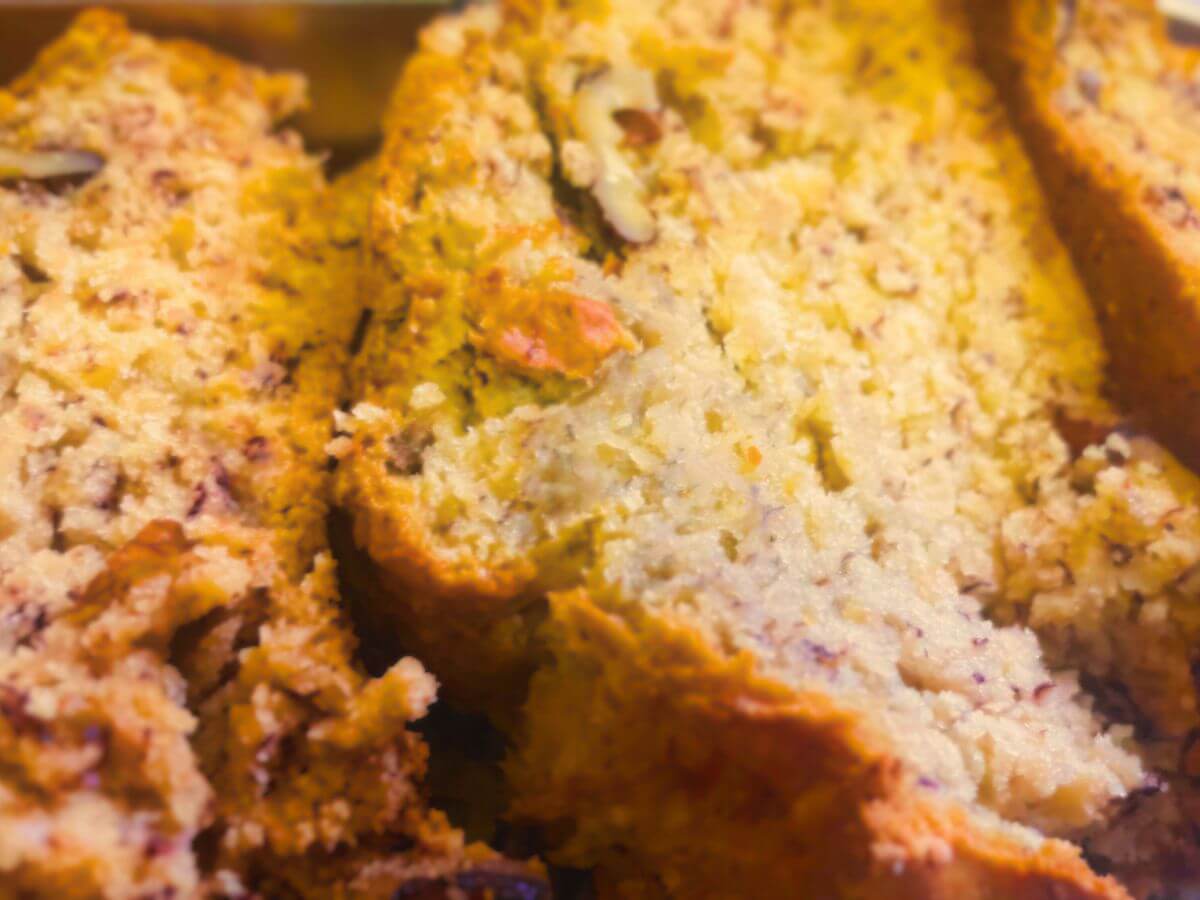
Vegan banana bread made with ripe bananas and topped with walnuts, baked until golden and tender. A cozy, kid-friendly recipe perfect for slow days in the kitchen.
Course Breakfast
Keyword Banana bread
Total Time 1 hourhr
Servings 6
Ingredients
3 medium bananasoverripe
1/2cuppure maple syrup
1/2cupplant-based milk
1/4cupcoconut oilmelted
1teaspoonpure vanilla extract
2cupsall purpose flour
1teaspoonbaking soda
1/2teaspoonsalt
3/4cupwalnutsoptional
Instructions
Preheat the oven to 350 degrees F.
Grease. a loaf pan with coconut oil. Set aside.
Combine all dry ingredients in a bowl and mix.
Whisk all wet ingredients in a separate bowl.
Add the wet ingredients to the dry ingredients; use a spatula to mix.
Fold in the walnuts, if using.
Pour the batter into a loaf pan.
Top with extra walnuts, if using.
Bake for 40-45 minutes or until golden brown.
This post contains affiliate links. I may earn compensation when you click on the links at no additional cost to you.



 Print Recipe

Leave a Reply