Reaching into a bush to pick the biggest, juiciest blueberry and resisting the urge to plop it straight into your mouth instead of the bucket is a test of self-control most kids won’t pass — and let’s get real, why would you want them to? That’s how our first blueberry picking day eventually turned into this Vegan Blueberry Lemon Loaf — a recipe rooted in connection, curiosity, and understanding where food comes from.
If you’re raising a selective eater, you know that simply putting a food on a plate rarely works.
What has worked in our home is connection — helping my son understand where food comes from before asking him to taste it. When children see, touch, and gather food themselves, something shifts.
Curiosity replaces resistance.
Sometimes that lesson happens at the kitchen table over dinner, or in the grocery store, reading ingredient labels together. Sometimes it happens outdoors, surrounded by dirt and sunshine. And sometimes, it begins in the pages of a book.
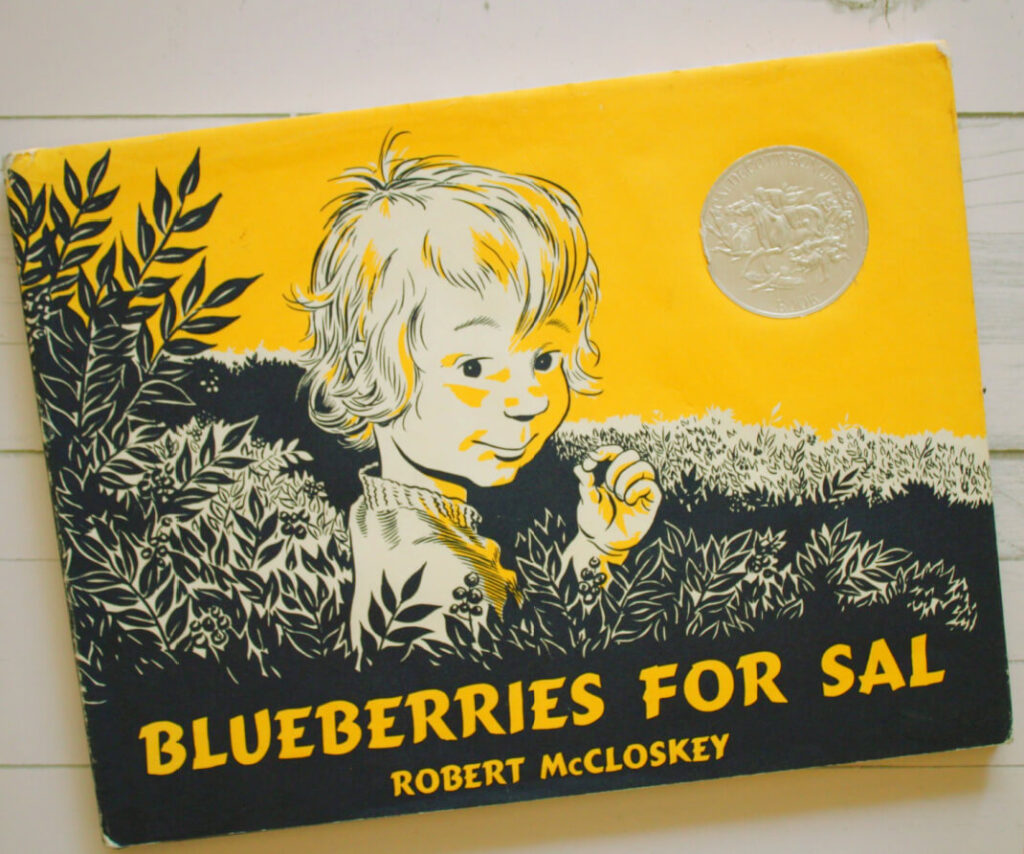
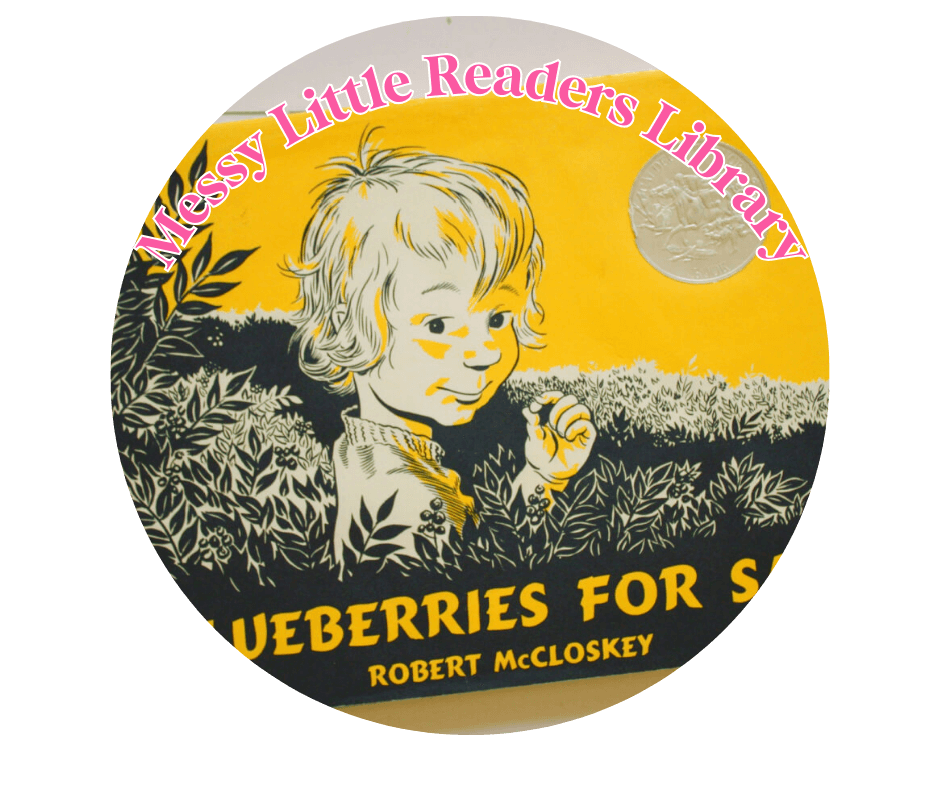
The inspiration for thisrecipecame from a book we first discovered at our local library and later added to our home collection: Blueberries for Sal by Robert McCloskey.
At bedtime, I read each page slowly, letting my son interrupt me as many times as he wanted to. This is a lesson I learned in college during a course I took on children’s literature.
When children interrupt a story, it doesn’t mean they aren’t listening. It actually means the exact opposite — they are engaged, curious, and invested in what is unfolding. They are processing the story in real time and connecting it to their own experiences.
Blueberries for Saltells the story of a little girl who follows her mother through the blueberry bushes, collecting berries to can for winter. On the surface, it’s a simple and charming tale. But beneath that simplicity are nearly all the lessons a parent might hope their child learns about food.
The three lessons are simple but powerful:
Food is necessary
Real food takes work
Real food comes from nature
Exposure Doesn’t Begin at the Plate — It Begins in the Field
These lessons are not taught through lectures or rules. They are learned through observation, repetition, and experience. The book gently reinforces the idea that food does not magically appear in packages. It must be gathered, prepared, and preserved.
So how do you take a story like this and turn it into a real-life lesson?
Real-life suggestions:
1. Pick Your Own
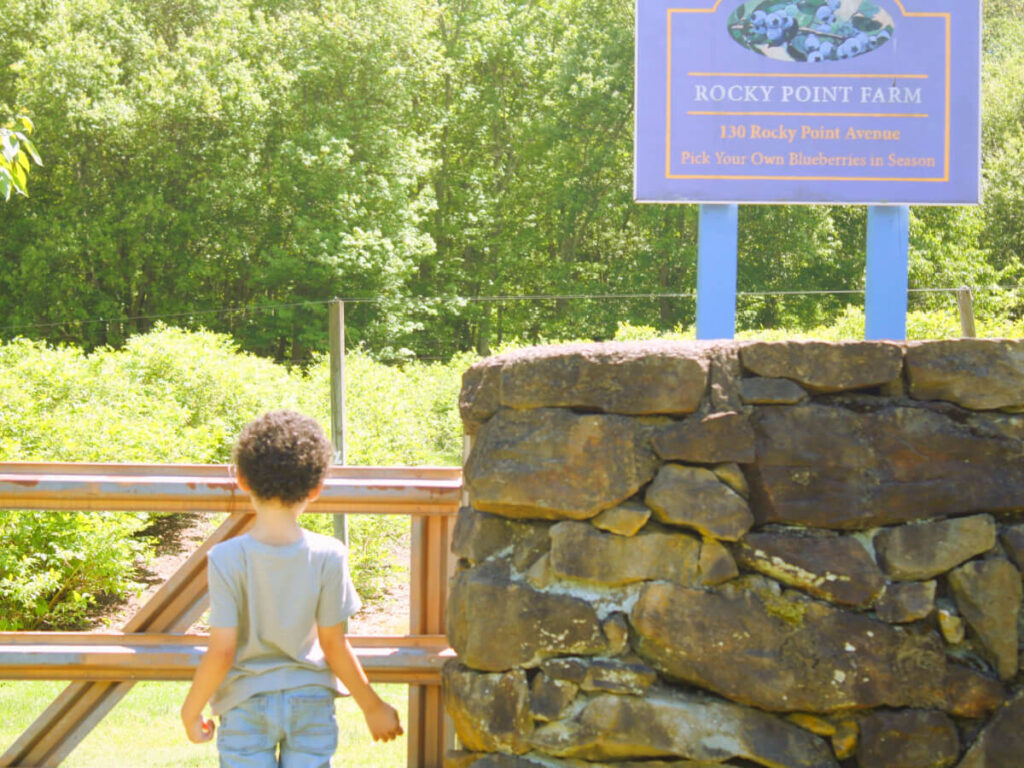
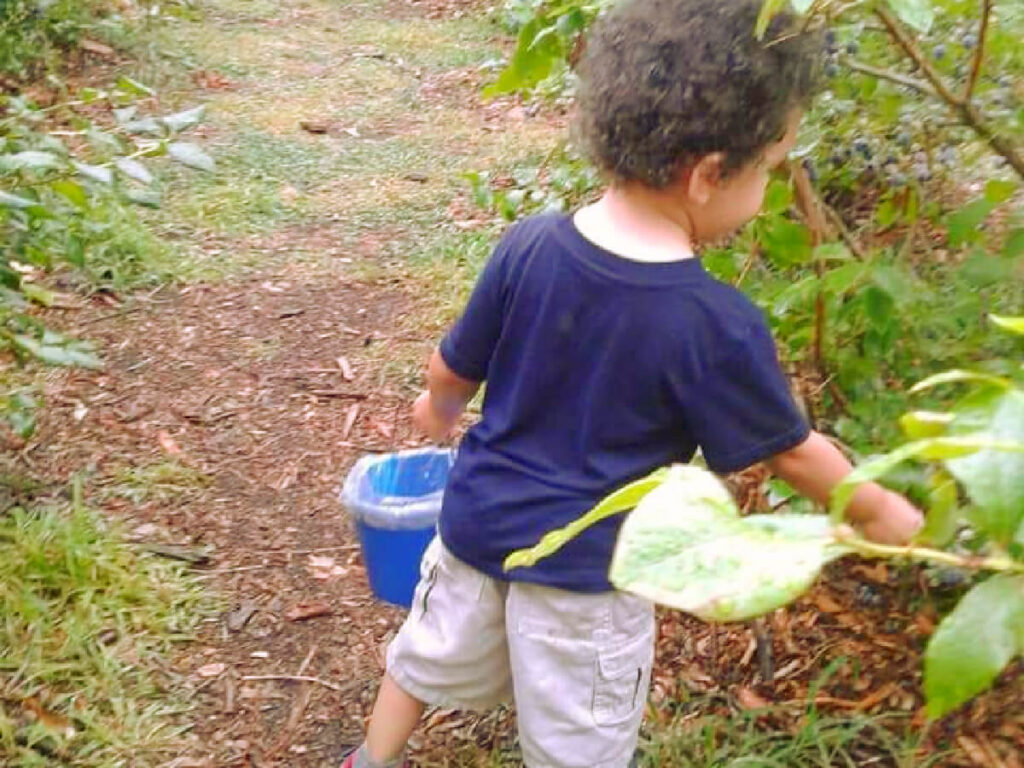
The best way is to find a blueberry farm and take your kids blueberry picking. There is something almost magical about wandering through rows of bushes, buckets in hand, searching for the ripest berries.
2. Farmers’ Market
If there are no “pick-your-own” farms nearby, the second-best option is a farmers’ market where fresh blueberries are sold. Let your kids choose which container to bring home. Let them touch the berries and smell them (maybe even taste them, if allowed) — let them get involved in the decision making.
That said, I still vote for the former option. Even if you have to drive a bit farther to find a pick-your-own farm, it’s worth it. The experience itself becomes the lesson.
Prepare for the adventure by reading the book first. This builds anticipation and gives context to what your child is about to experience.
4. In the Kitchen
Explore how to use the book while making this (or any) blueberry recipe in the Messy Little Readers Library below. In my opinion, Blueberries for Salis a timeless classic that can be enjoyed at any age — even my own. I think I will always feel like a kid when I read it.
Blueberry Picking with Kids: A Real-Life Food Lesson
Standing in the sun, heat warming the tops of your heads, bending or reaching to pluck blueberries one by one from the bushes almost guarantees that a berry or two — or three — will end up in your mouths instead of the bucket.
When kids pick the food themselves, it no longer feels unfamiliar. It feels earned.
Sometimes it’s curiosity. Sometimes it’s thirst — and that’s a lesson too. Fruit isn’t just sweet; it’s refreshing. Still, pack plenty of cold water for the adventure.
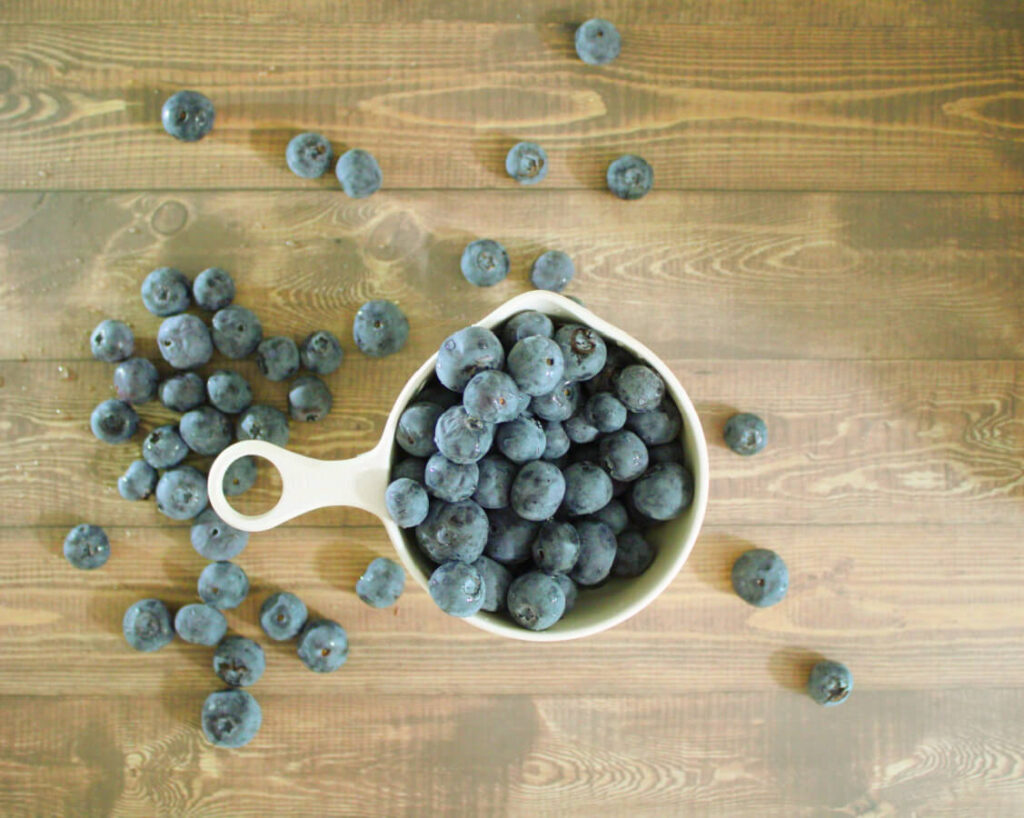
Once you bring home the blueberries that actually made it into the bucket (instead of your mouths), the baking continues in the kitchen with this Vegan Blueberry Lemon Loaf.
From Bush to Batter
Blueberries pop with sweet, juicy flavor, bananas make the loaf soft and squishy, and flaxseed helps everything stick together — like magic.
A little squeeze of lemon adds a bright, happy zing that makes each bite fun for kids.
Baking the loaf becomes part of the story, turning a library tale and a day at the farm into something your family can taste, share, remember, and cherish forever.
Feel free to download a Messy Little Eaters Memory Card to capture your very first experience of reading Blueberries for Sal, going blueberry picking, and making this Vegan Blueberry Lemon Loaf.
Want to extend the lesson?
Make jam or muffins
Try growing a blueberry bush
Smash blueberries into paper for messy handprint art
All of these experiences are real life. And real life is the Messy Plate Method.
Want more from your favorite Food Strategy Nerd?
Get weekly recipes, real-life strategies, and stories about how we actually eat
Blueberries for Salseems to move slowly on purpose. It’s a story about berries coming from somewhere real, about taking your time, about sharing food, savoring it in the moment, and also about saving some for later.
A Vegan Blueberry Lemon Loaf fits right into that rhythm. It’s simple, seasonal, meant to be baked, shared, and eaten without rushing.
Best For: All ages are welcome, but it’s typically best suited for ages 3–8, especially children who enjoy gentle stories about nature, family routines, and where food comes from.
Read Along Focus: Read it slowly. Pause on the pictures. Let kids notice what’s happening without rushing to explain it.
Things to Point Out While Reading:
Blueberries don’t just appear — they’re picked
People (and bears) gather food differently, but everyone is hungry
Quiet moments can still be interesting
Simple Lessons (No Lecturing):
Food comes from somewhere
Patience has value
Sharing space with others matters — even when you’re surprised
Saving food for later is important
Kitchen Tie-In: While making the loaf, let kids add the blueberries and talk about how they traveled from the bush (or store) to the bowl. This isn’t about getting them to eat the loaf. It’s about letting them feel part of the journey from bush to batter.
The Moment You’re Creating
This is a calm kitchen bake — as calm as baking with kids ever gets. Folding blueberries into batter, zesting lemon, talking about bears, buckets, and berries while something warm fills the house with that “something good is happening” smell.
No pressure to teach anything. Just be there. In the moment. Experience it.
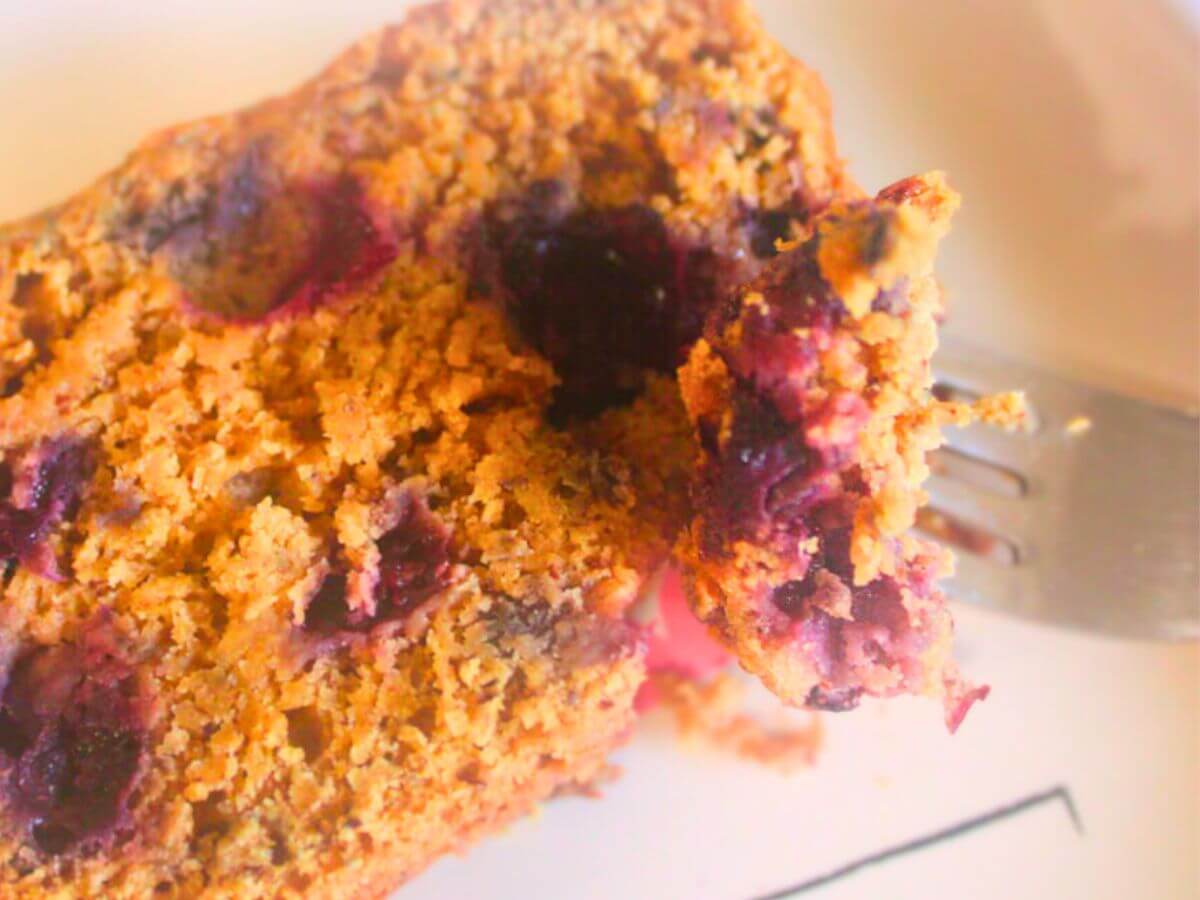
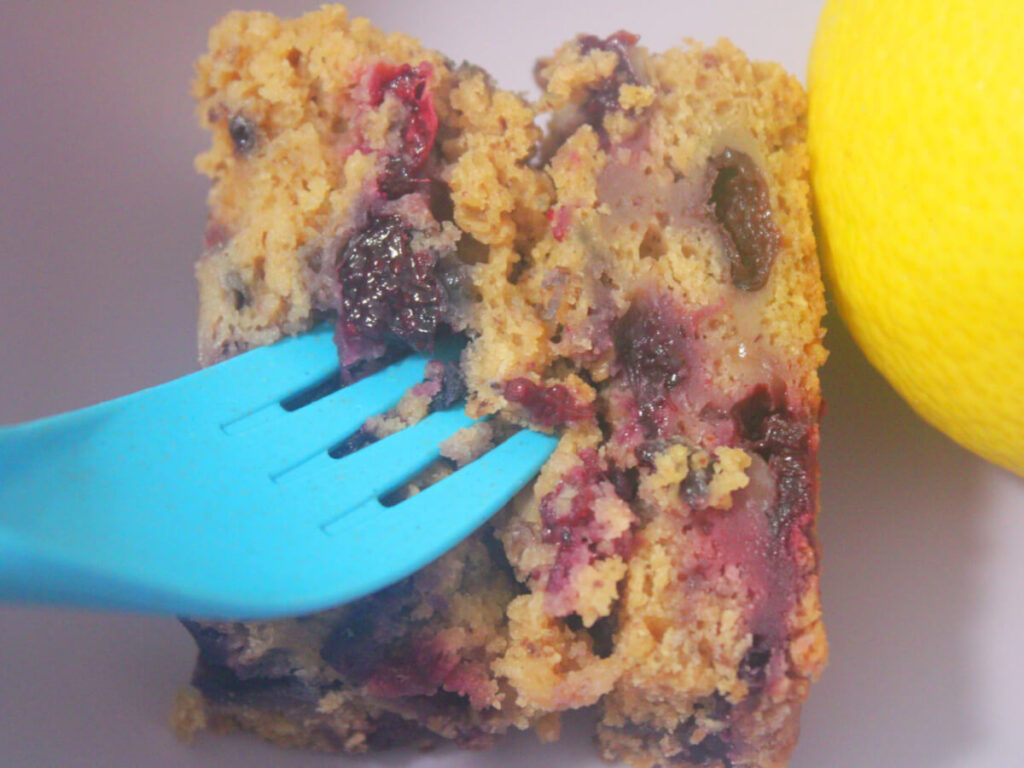
This Vegan Blueberry Lemon Loaf is soft, lightly sweet, and bursting with juicy blueberries and bright lemon zest. Made with simple plant-based ingredients like flaxseed and banana, it bakes into a moist, tender loaf with a golden crust and fresh citrus flavor in every bite.
Course Breakfast
Keyword vegan blueberry lemon loaf recipe
Prep Time 10 minutesmins
Cook Time 50 minutesmins
Servings 8
Author M.J. Mercury
Ingredients
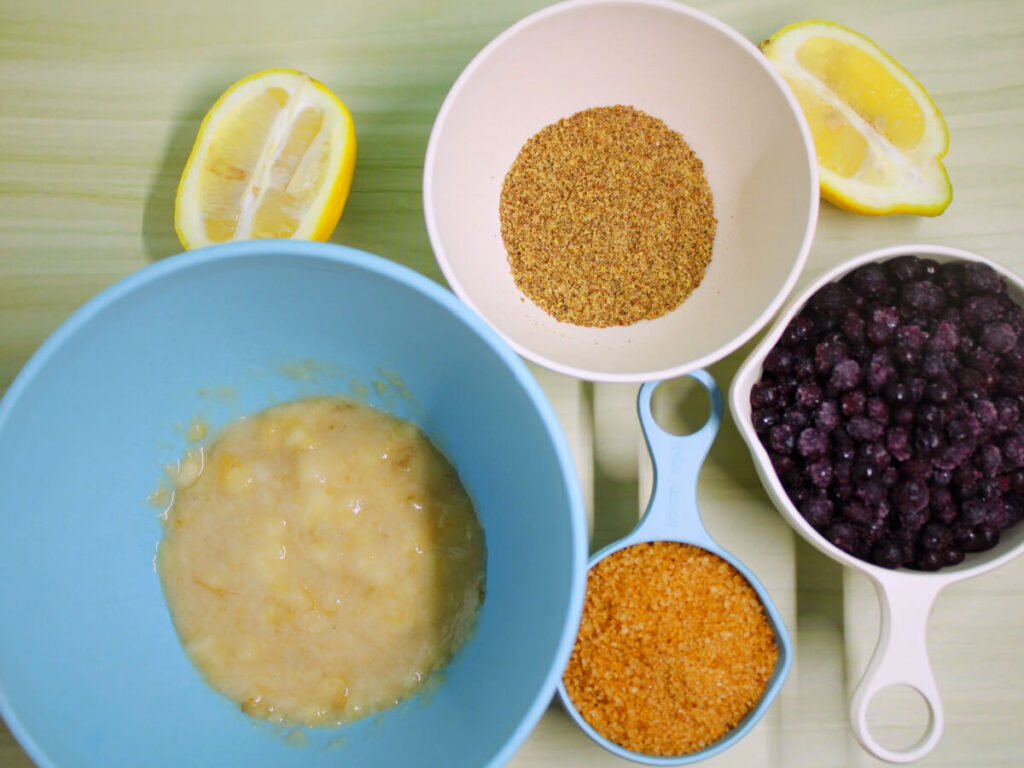
2flax eggs*2 tablespoons ground flaxseed combined with 6 tablespoons of water
1 1/2cupsspelt flouror use all purpose flour
1/2 teaspoon baking powder
1/2 teaspoonbaking soda
1/4 teaspoon salt
1/3cup coconut sugaror 3/4 cup if ommitting banana
1/3 cupoat milkor any other plant-based milk
3tablespoons lemon juicedivided
1/ 3cupmashed bananaor 1/4 cup melted vegan butter
1teaspoonpure vanilla extract
1zestlemon
1cupblueberries
Instructions
Preheat the oven to 350 degrees F.
Grease a loaf pan or line with parchment paper and set aside.
Make flax eggs and set aside to thicken.
In a bowl, mix all dry ingredients (flour, baking powder, baking soda, salt).
Make the buttermilk by mixing the oat milk with one tablespoon of lemon juice and set aside.
Mash the banana and set aside.
Mix together the flax eggs, buttermilk, mashed banana, vanilla extract, coconut sugar, lemon zest and the two remaining tablespoons of lemon juice.
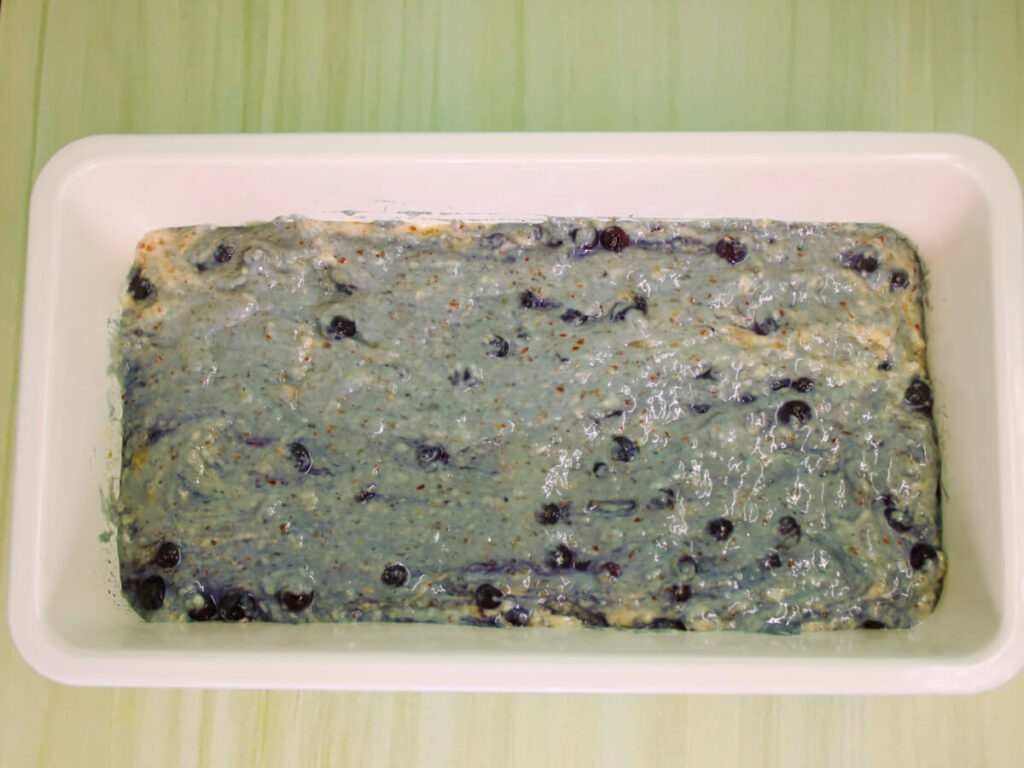
Add the wet mixture to the dry mixture and gently mix until combined.
Fold in the blueberries (the best part!).
Bake for 50 minutes or until a toothpick inserted in the center comes out clean.


 Print Recipe
Leave a Reply