If you’ve ever searched for an Easy Vegan Ricotta recipe that both you and your child might enjoy, you know the struggle is real. I’ve spent hours testing recipes, tweaking flavors, and braving batches that were … well, let’s just say edible but disappointing.
I like to think of it as taking one for the team — so you don’t have to.
Because eventually, I created a creamy vegan ricotta that actually works — especially for kids who might not usually be excited about vegetables.
And the main ingredient?
Cauliflower.
Watching a Vegetable Become Something New
The first time I pulled out a bag of frozen riced cauliflower to make this recipe, my son looked at it with the same expression he usually reserves for anything green:
Suspicion.
Which is fair — cauliflower doesn’t exactly scream “cheese.”
But I wasn’t asking him to eat it. Not yet.
I simply asked if he wanted to help me blend something.
From Cauliflower to Ricotta
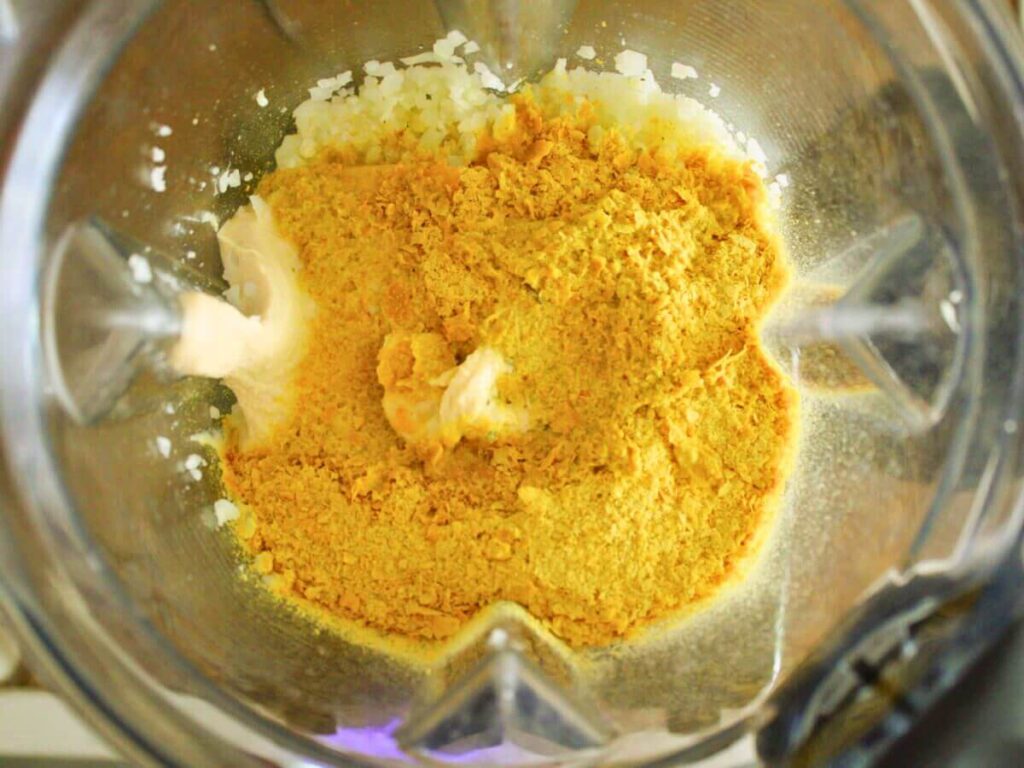
We added a few simple ingredients and watched what happened in our Vitamix.
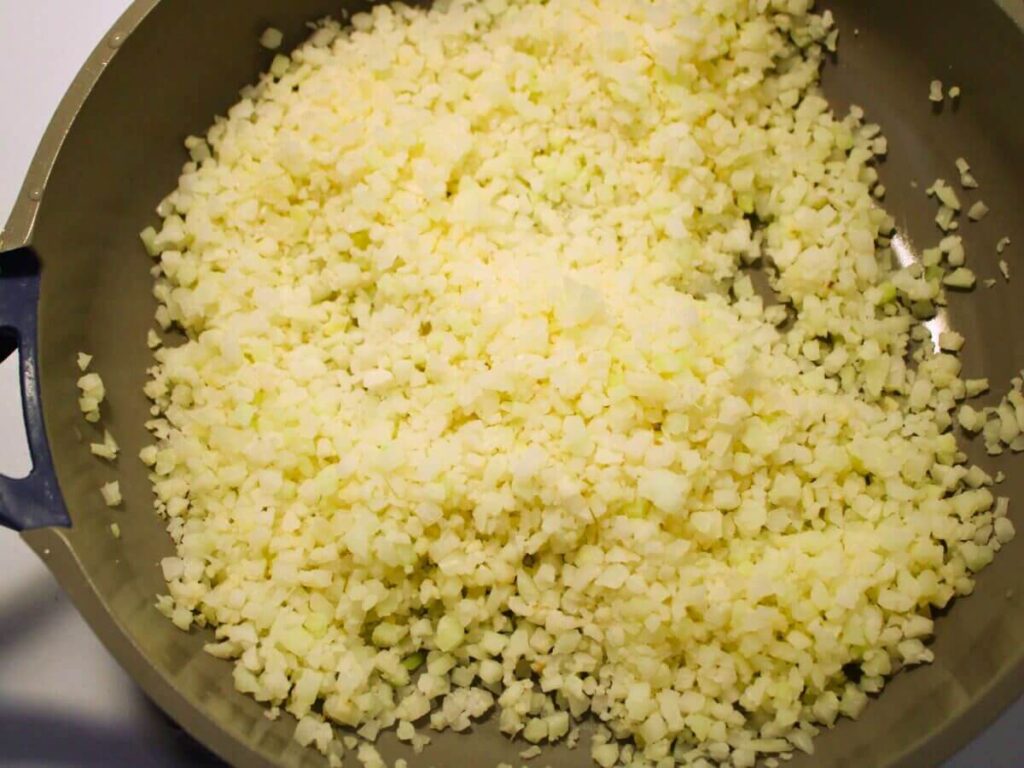
Cooked riced cauliflower
Creamy hummus
Fresh lemon juice
Nutritional yeast
A few simple seasonings
At first, it didn’t look like much.
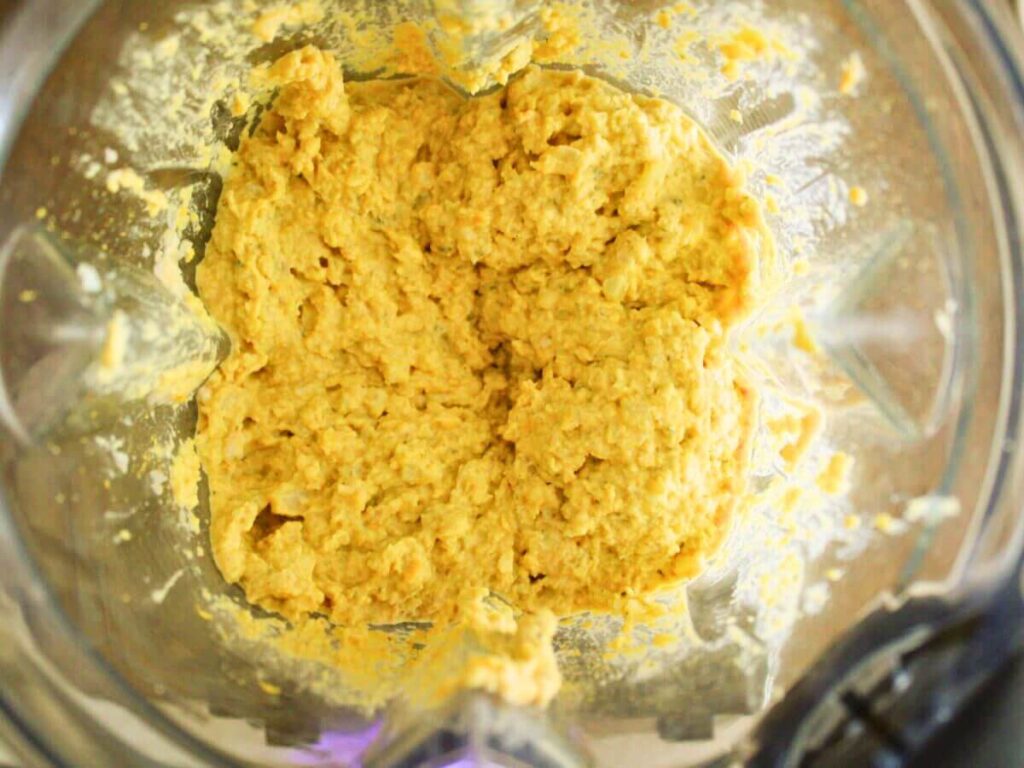
But as the blender worked, the transformation became obvious — the texture smoothed out, the color softened, and the mixture thickened into something creamy.
A vegetable became something new.
The “Before and After” That Builds Curiosity
This is the part kids often remember — not because they were told to like it, but because they saw it happen.
Before:
Grainy
Chunky
Recognizably “vegetable”
After:
Smooth
Creamy
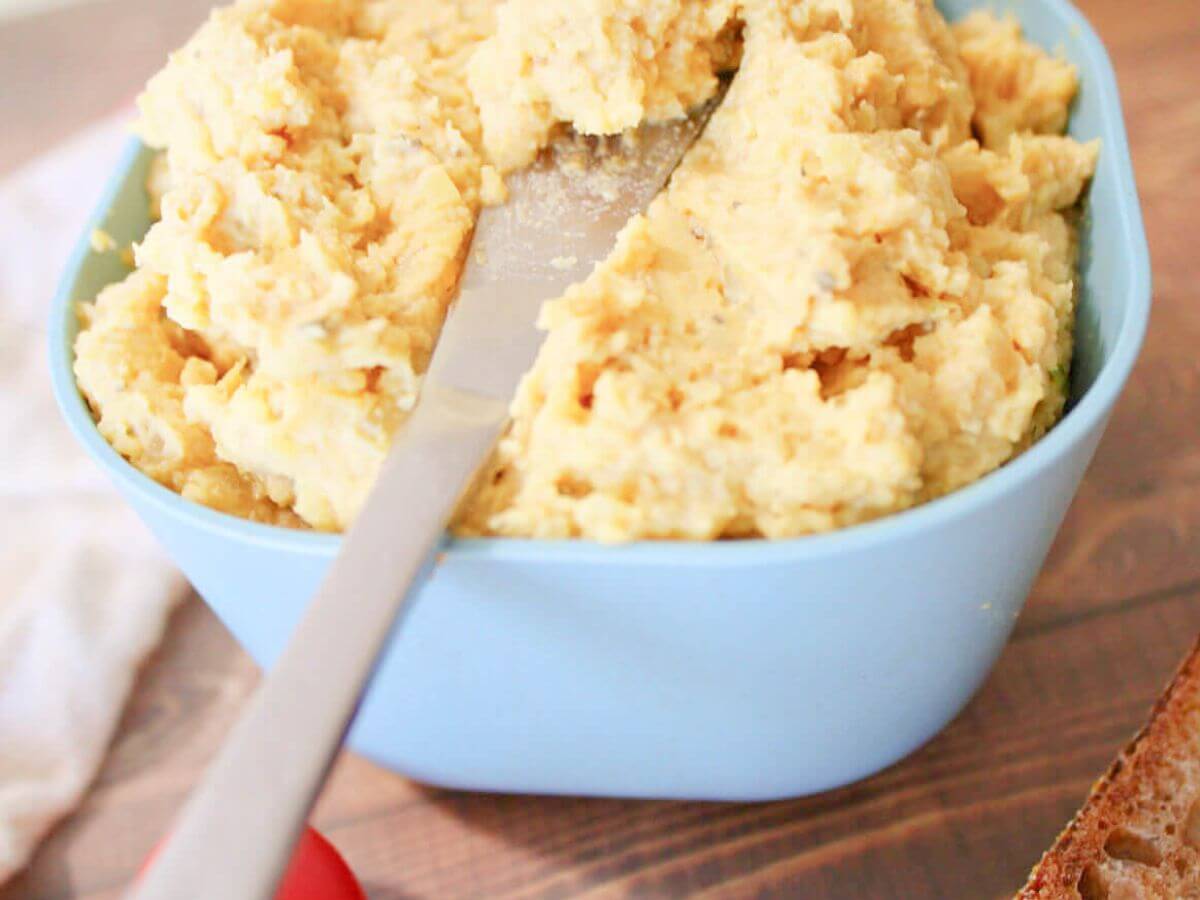
Ricotta-like
Sometimes watching comes before tasting. Sometimes watching is the exposure. And when kids get repeated, low-pressure exposure like this, they begin to build familiarity with foods that once felt unfamiliar.
Curiosity often comes first. Taste can come later — and in a variety of ways.
Easy Ways to Use Vegan Ricotta
One of the easiest ways to keep foods familiar is to use them in different ways:
Dip it: crackers, roasted veggies, or pita
Spread it: wraps or toast
Dollop it: pizza, pasta, or grain bowls
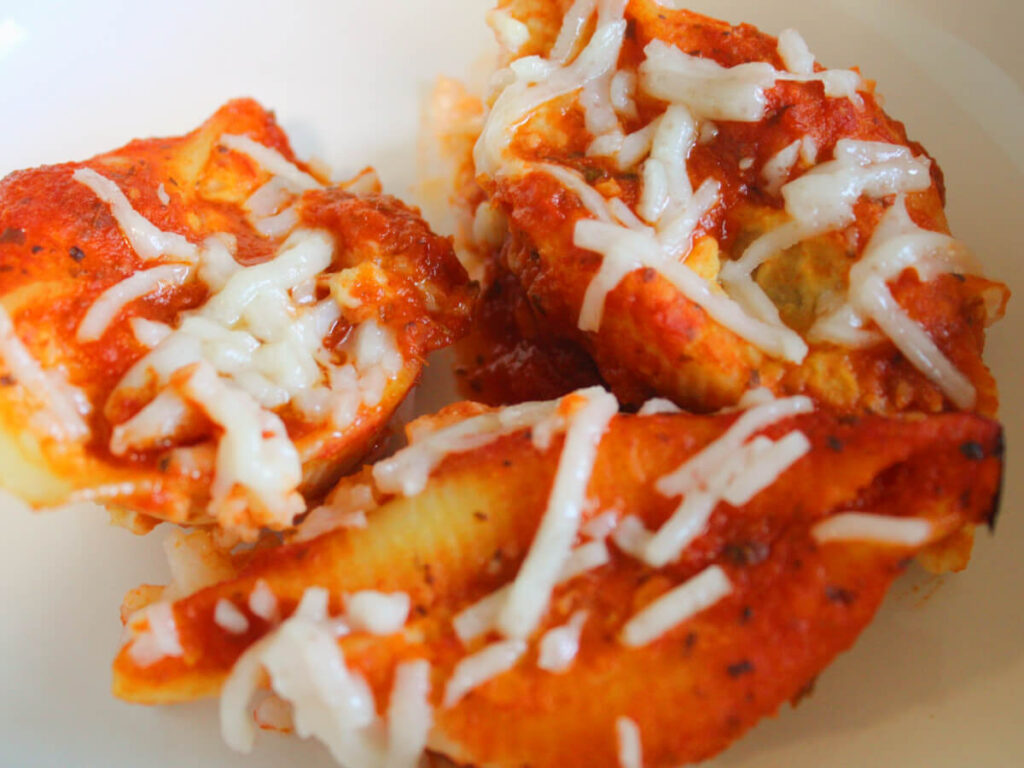
Bake it: stuffed shells, baked ziti, or vegetable lasagna
Versatility makes it easier to keep offering it in familiar ways — which is exactly how “new” foods slowly become normal. This is a core idea behind the Messy Plate Method: when foods show up in different forms and in low-pressure moments, curiosity has room to grow.
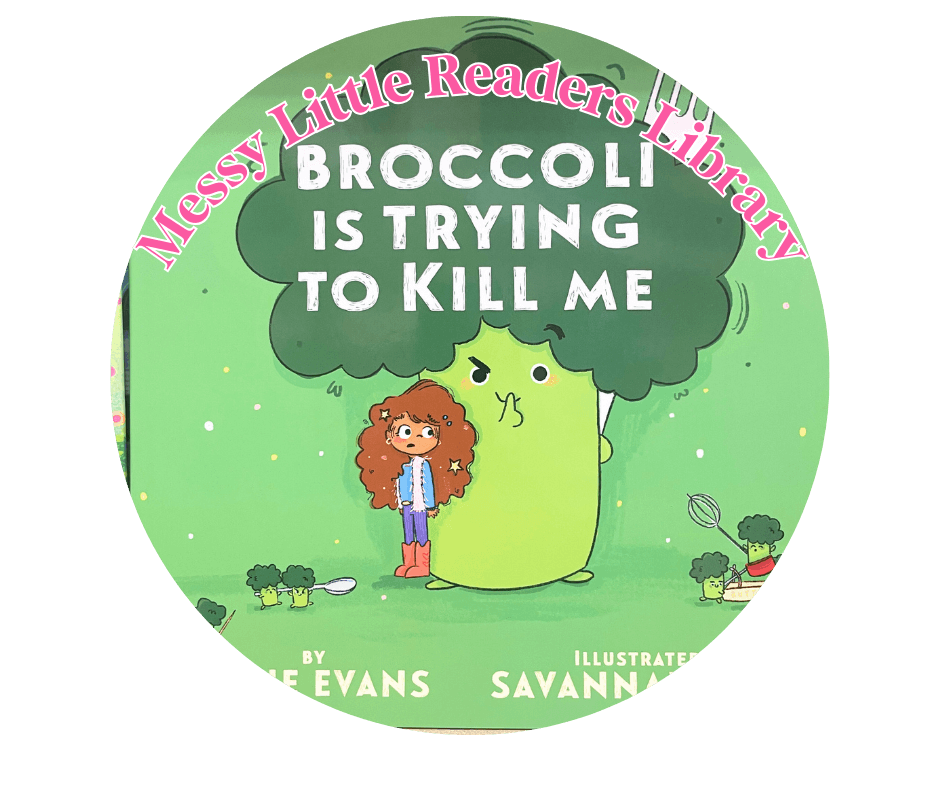
Broccoli Is Trying to Kill Me plays with a feeling many kids secretly have — that vegetables are suspicious, mysterious, or maybe even a little dangerous.
In the story, a child imagines vegetables plotting inside the refrigerator, turning ordinary produce into something hilariously dramatic.
Making this Easy Vegan Ricotta offers a similar moment of discovery in the kitchen, where a vegetable that might normally raise suspicion — cauliflower — slowly transforms into something creamy and completely new.
Instead of being asked to like a vegetable, kids get to watch what it becomes.
Best For:
All ages are welcome, but it’s typically best suited for ages 3–7, especially children who enjoy silly stories and humor around food.
Read Along Focus:
Encourage kids to notice the character’s dramatic imagination about vegetables.
Ask:
Do you think vegetables could really be plotting something?
Sometimes laughter makes new foods feel a little less serious.
Things to Point Out While Reading
Vegetables can look unusual or unfamiliar
Imagination can turn ordinary things into big stories
Being curious about food is different from being forced to eat it
Simple Lessons (No Lecturing):
It’s okay to feel unsure about a food
Sometimes watching food change makes it more interesting
Curiosity often comes before tasting
Kitchen Tie-In:
While making the ricotta:
Look closely at the riced cauliflower before blending
Notice how the texture changes when it cooks
Watch the blender transform the mixture from grainy to smooth
Compare the before and after — vegetable vs. ricotta
The Moment You’re Creating
Cauliflower that once looked suspicious now spins in the blender, slowly turning smooth and creamy.
A vegetable that definitely didn’t look like cheese a few minutes ago suddenly … kind of does.
Your child watches the whole thing happen — the moment a vegetable becomes something new, not something plotting against them in the fridge.
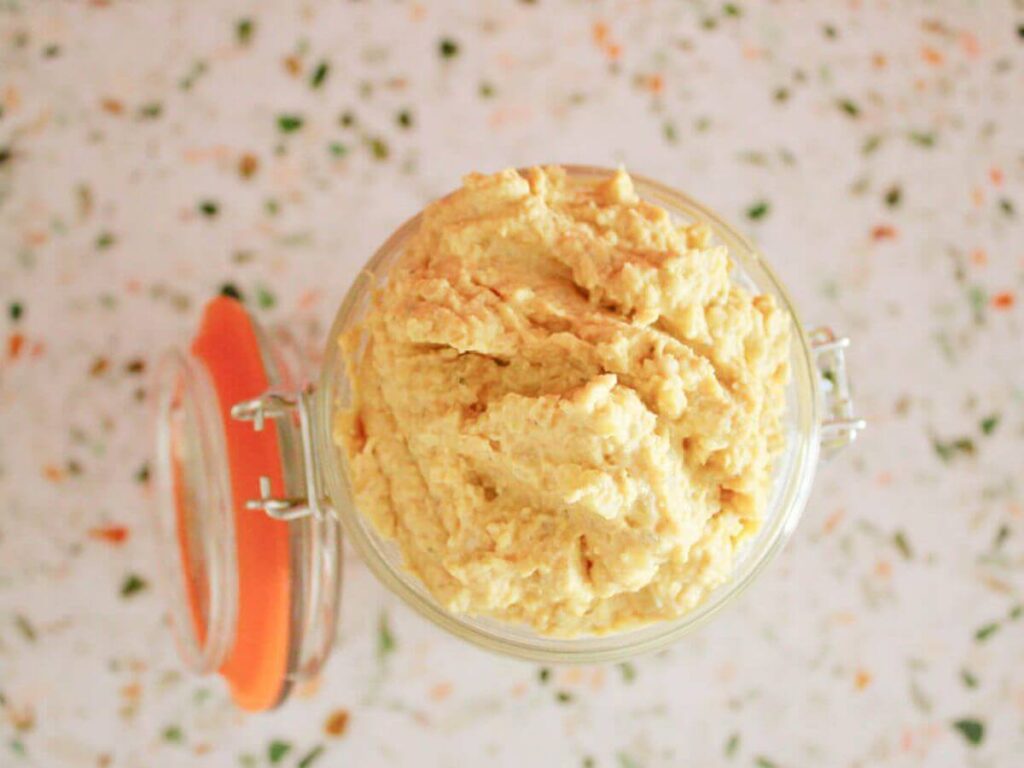
This easy vegan ricotta transforms simple ingredients like cauliflower, hummus, lemon juice, and nutritional yeast into a creamy dairy-free ricotta perfect for pasta, pizza, and stuffed shells. It’s a simple kitchen recipe kids can help make while watching a vegetable turn into something completely new.
Course Basics & Building Blocks
Keyword vegan ricotta
Prep Time 10 minutesmins
Cook Time 10 minutesmins
Servings 8
Author M.J. Mercury
Ingredients
12ouncepackage frozen riced cauliflower
3/4cuproasted garlic hummusor plain hummus
3/4cupnutritional yeast
2tablespoonslemon juice
1/4teaspoonsalt
1/2teaspoondried basil
1/2teaspoongarlic powder
Instructions
Cook riced cauliflower according to the package.
Add the cauliflower, along with all other ingredients to a high speed blender and pulse a few times, until the texture resembles ricotta.
Store in the refrigerator up to 7 days.
Use as a dip, make lasagna, put on pizza, add to any pasta dish. Enjoy!
This post contains affiliate links. I may earn compensation when you click on the links at no additional cost to you.

 Print Recipe
Leave a Reply